One is left to wonder where the pain will be most acute and where it can be more easily put up with; that is what most people want to know when they look at a tattoo pain levels by body part chart. It can be helpful to familiarize yourself with sensitive tattoo locations. In brief, you can expect more of a sting from any area close to the bone, with thin skin and an abundance of nerve endings. Put it on a fleshier part of you with some fat for padding and it is generally easier going.
I am Nina Corcoran. There are those who will make light of a tattoo and tell you it is “just a scratch”; I would put them in a wobbly plastic chair for their trouble. The fact is pain is real if not always the same. It is a matter of your size, how stressed you are, the length of the session, placement and your own pain threshold. Make of the tattoo pain chart what you will as a guide but do not take it as gospel.
How Tattoo Pain Usually Feels
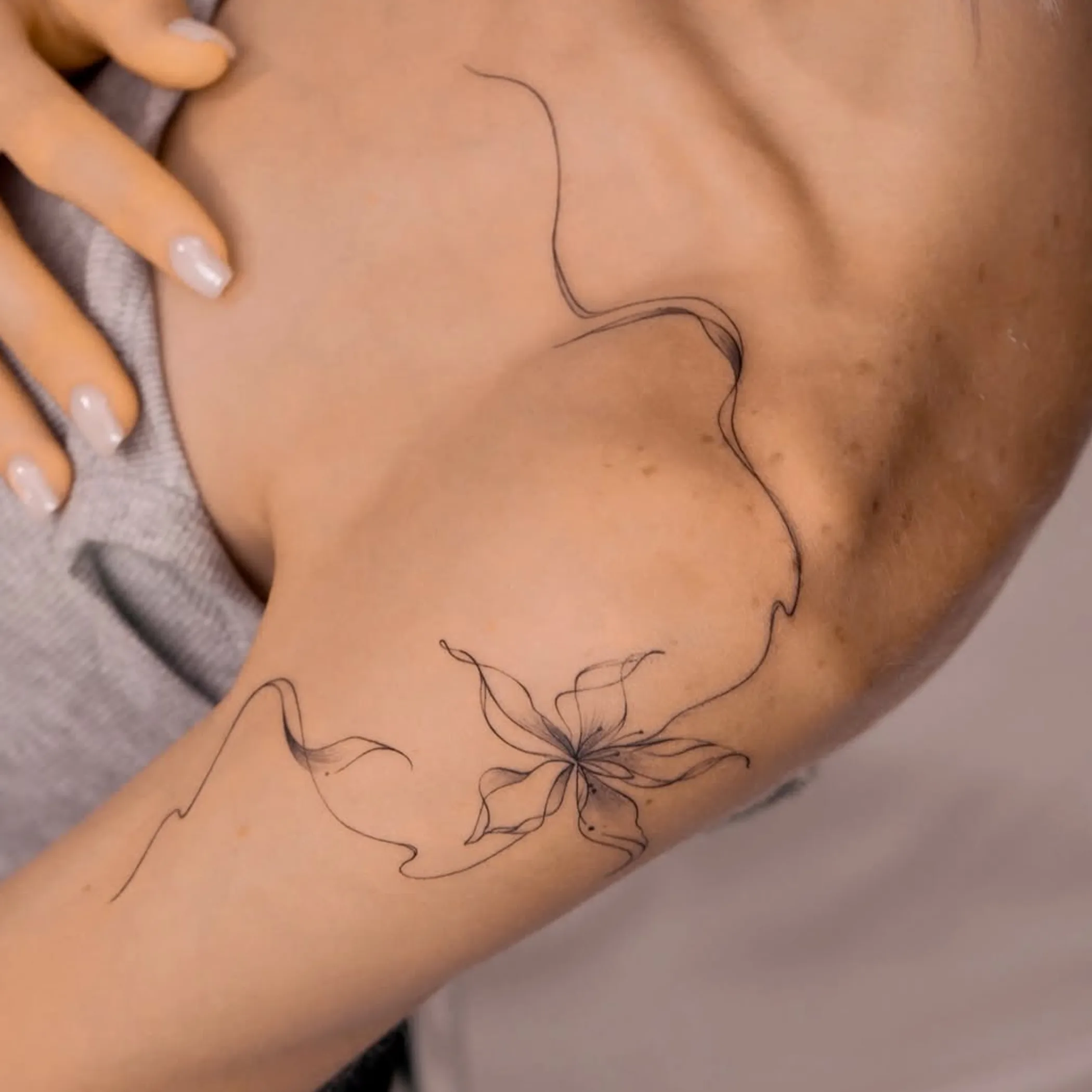
It does no harm to have an idea of what is being described before getting hung up on figures. People do not experience a single uniform sensation. It might be hot or scratchy, sharp or dull, vibrating. Some liken it to having a sunburn dragged over a cheese grater, which is a charming way to put it.
Then there is the matter of the pain shifting in the course of a session. You may find the opening ten minutes edgy only for your body to put up with it. Come later, with some swelling and fatigue and the artist making repeated passes, it can get rough as guts.
The 1 To 10 Scale
There is value in a 1-10 tattoo pain scale for the common ground it provides, however subjective it is. The likes of studios and tattoo educators will have you believe 1 to 3 is mild discomfort, 4 to 6 is something you can manage even if you notice it, 7 to 8 requires a bit of mental fortitude, and 9 to 10 is so intense you will not want to be sitting through it.
But this is no medical device. An anxious person on one flat white and not much food could put the outer thigh at a 6 whereas a fit individual with a good tolerance would call it a 3. Bravado has its place but context is key.
What Changes The Pain
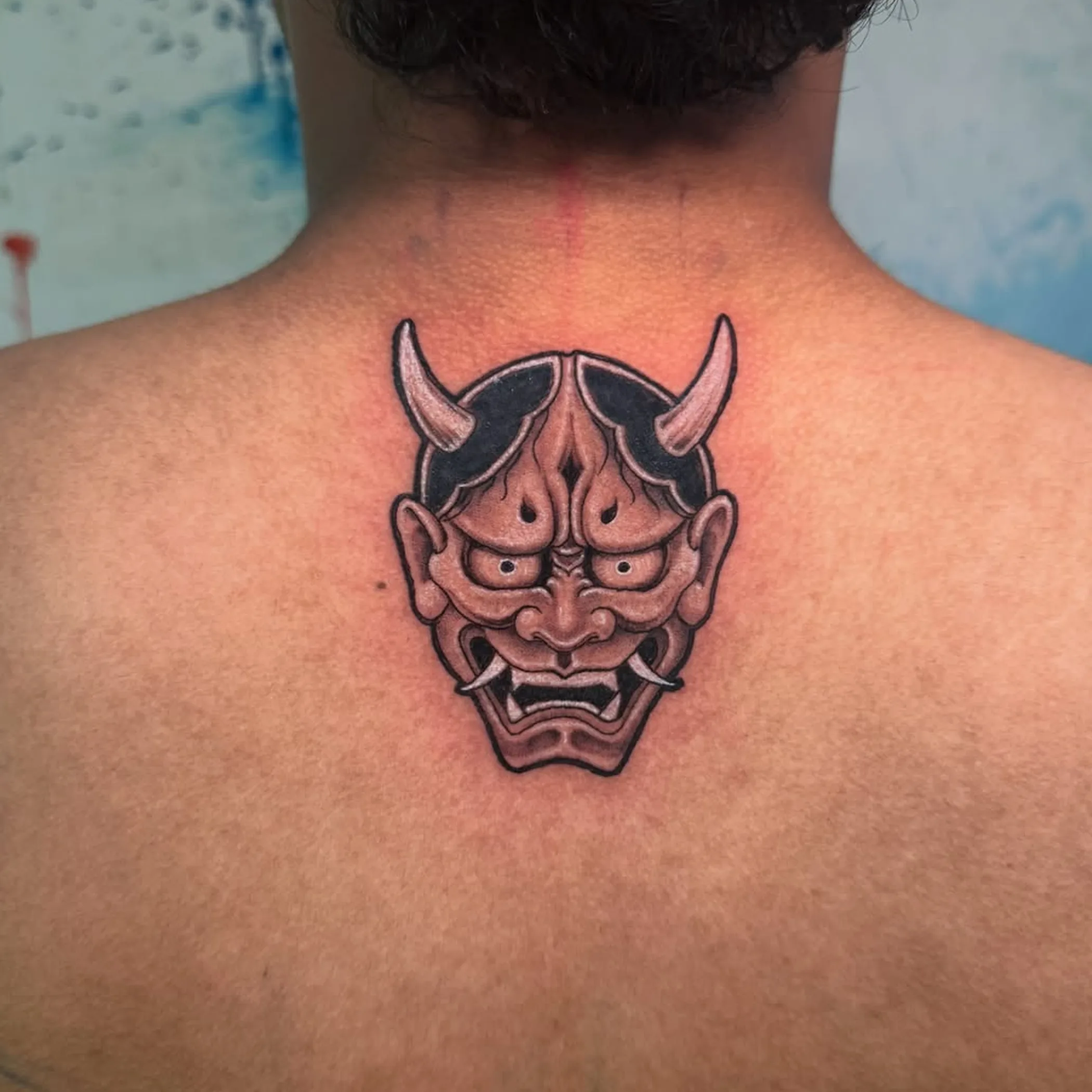
For a proper tattoo pain by body part guide you have to understand the why of it. The rule of thumb is that thinner skin, proximity to bone, fewer fat layers and more nerves equate to more pain.
Folks are wrong to think size is the determining factor. Placement trumps the size of the design; a small piece on the ribcage is worse than a larger one on the upper arm.
Nerve Endings And Bone
You will feel it sharper, more electrically, in places with a lot of nerve endings such as the hands, feet, armpits, neck, face, groin or nipples. Where there is a preponderance of bone like the shin, spine, ankle, collarbone or ribs, the vibration of the machine is not softened by tissue and the sensation is amplified. That is the sort of thing one does not anticipate, the way the buzzing seems to go through the whole area on bony parts.
Fat Padding And Skin
More cushioning means a spot can take it better. Hence the outer thigh, calf, forearm and upper outer arm figure in the least painful locations. Thinner skin is another story and can be more of an irritation to put up with, particularly on the inner arm, stomach, inside of the wrist or behind the knee.
Session Length And Repeats
Endurance is what artists from Kingpin Tattoo Supply to Tattooing101 will tell you is the issue. Two hours in a moderate spot is preferable to six in an easy one because long sessions try a person’s patience. Linework is nothing compared to the colour packing and shading done over already inked skin. Your body simply has had enough.
Tattoo Pain Chart By Area
You have come for this part of the chart and rightly so. When weighing up whether the look is worth the sting a tattoo pain map is handy.
What follows is a table of general guidance drawn from Healthline, Removery, Independence Ink, ArtNSoul, Hyperinkers, Apprentice, TattooNearMe and others. It is not a promise.
| Body Part | Pain Level | Typical Pain Score | The Reason for It |
| Outer Upper Arm | Low | 2–4/10 | There is good fat padding and not a lot of nerve endings in one place. |
| Forearm | Low To Moderate | 3–5/10 | While the padding is reasonable, the inner side will be more of a sensitive spot. |
| Outer Thigh | Low | 2–4/10 | A large fleshy expanse that can stand up to longer sessions. |
| Calf | Low To Moderate | 3–5/10 | The muscle is an asset, if only some do not put up with the vibration. |
| Shoulder | Low To Moderate | 3–5/10 | As a rule you can handle it, unless it is right on the bone. |
| Inner Bicep | Moderate To High | 5–7/10 | More sensitivity here, thin skin and tenderness. |
| Shoulder Blade | Moderate To High | 5–7/10 | Odd vibrations across the back from the bony edges. |
| Chest | High | 6–8/10 | Proximity to bone and thin skin, the sternum in particular. |
| Ribcage | Very High | 8–10/10 | You are close to the bone and breathing causes movement, all under very thin skin. |
| Collarbone | Very High | 7–9/10 | Not much to pad against the machine’s strong vibration. |
| Spine | Very High | 7–9/10 | Concentrated sensitivity along the bony line. |
| Hands And Fingers | Very High | 7–9/10 | Thin skin, no cushioning and an abundance of nerve endings. |
| Ankle And Foot | Very High | 7–9/10 | Bone-heavy and full of them. |
| Palms And Soles | Extreme | 9–10/10 | Nerve endings are exceptionally dense and healing is awkward. |
| Armpit | Extreme | 9–10/10 | Sensitivity makes this about as painful as it gets. |
Put aside any internet chest-beating over whether a male or female chart is more accurate; the overall pattern is much the same. There is no universal ranking to be had from biological sex. How pain is perceived is down to the individual, be it hormones, stress, body make-up or past experience.
A Simple Body Map
To get a quick picture without having to draw one on a serviette, view the body in bands. The outer limbs and upper flesh are generally easier going. Mid-range is your inner limbs and the edges of the chest and back. Then there are the ribs, spine, armpits and the like where there is hardly any padding at all. One comes to the same practical conclusion when perusing a tattoo pain chart australia: for a first time around it is better to be forgiving than to try and make a point of it in front of the mirror.
Places That Hurt Less
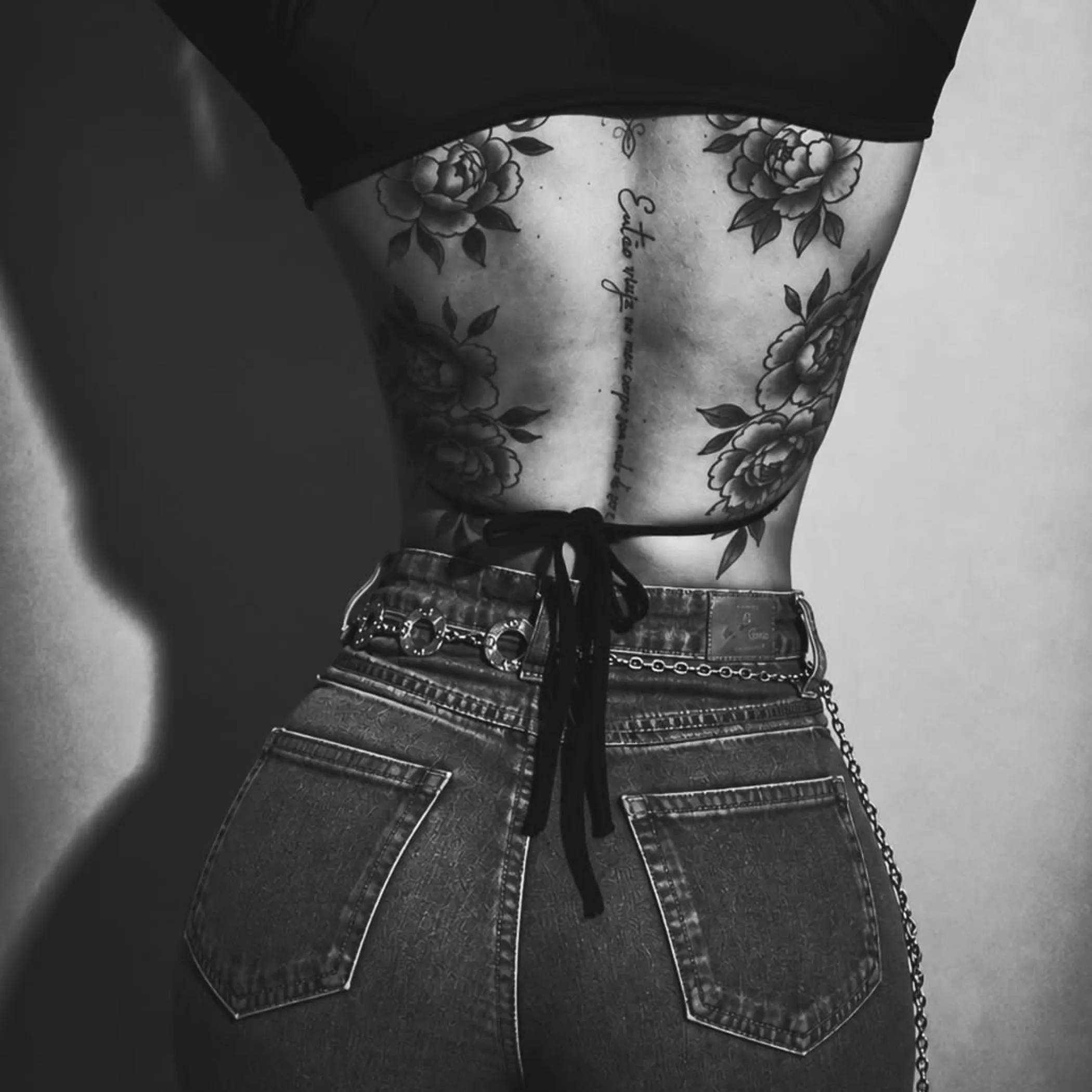
For those new to it, the following are your best bet for a session that is calm. Predictable and tolerable, if not entirely free of pain.
Then there is Nina Corcoran’s take on it: choose something that will show you how you react before you go and do the ribcage just because it was chic on another person’s Pinterest.
Best First-Tattoo Picks
You will find the outer upper arm, forearm, calf and outer thigh are often considered the least of your worries. They have their share of muscle or fat, plenty of room for the artist and no high-drama nerves. Logistically they are less trouble too; you can put yourself in a comfortable position and the artist does not have to contort you. Nor does the area bend or sweat in a way that complicates healing.
- Outer Upper Arm: 2–4/10 typically. A sound choice for linework or a medium piece.
- Outer Thigh: 2–4/10. Will hold up for larger work and the duration of the session.
- Forearm: 3–5/10. Manageable enough and popular, but the inside is higher.
- Calf: 3–5/10. Tolerable in most cases, though the twitchy muscle is off-putting to some.
Middle-Ground Placements
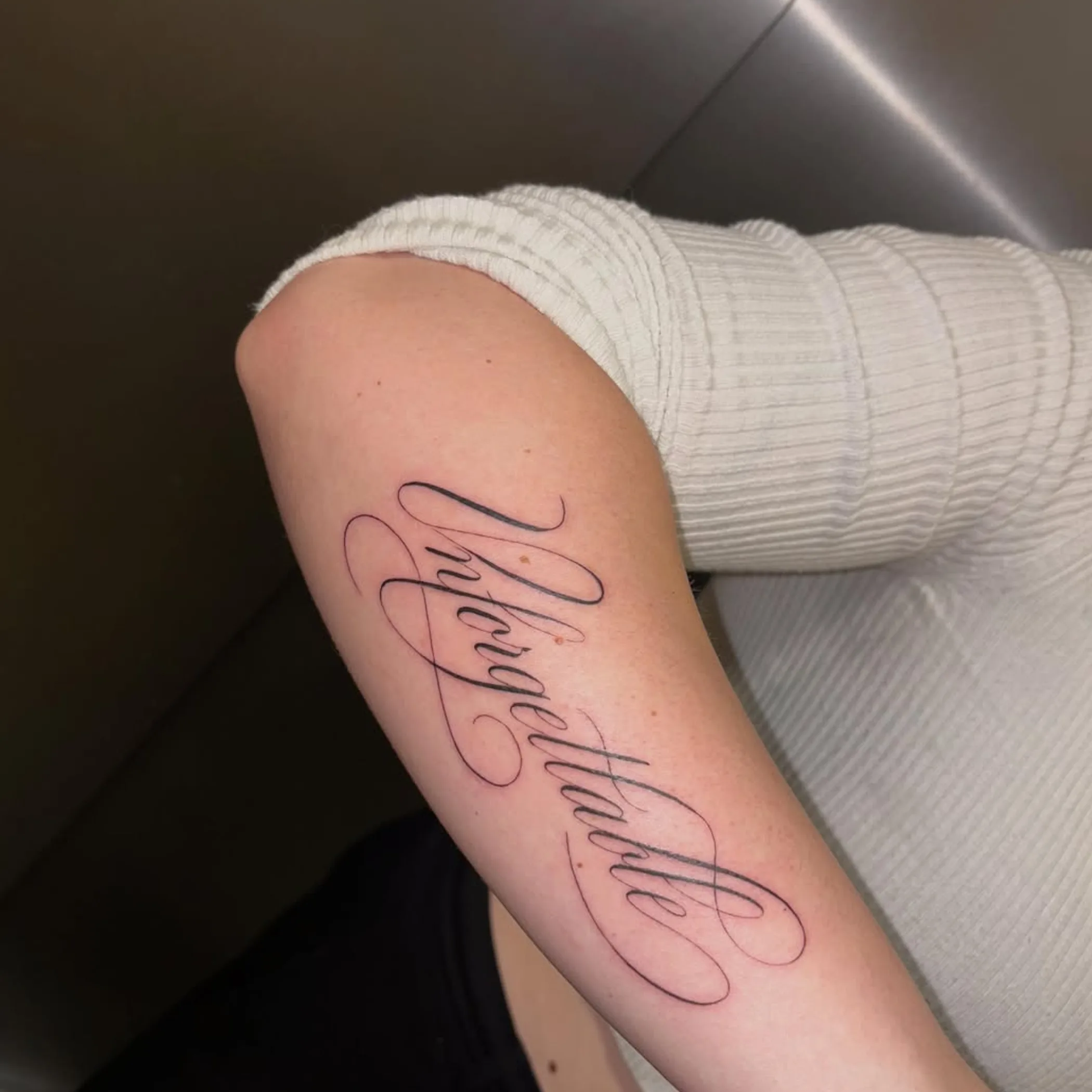
A good compromise is to be found in the moderate-pain spots. You have a visually strong placement but are not entering the pain Olympics. Expectation and reality have a way of colliding here. One might think it easy since it is not the feet or ribs and then be taken aback by the tenderness or fatigue.
Where The Sting Builds
Many can put up with the 5–7/10 of the inner bicep, shoulder blade, lower back or upper chest, but it is not a case of zoning out. Take the inner bicep, on paper it is nothing to fear but the thinness of the skin and its sensitivity can be quite spicy. Or the shoulder blade which may not be sharp so much as the kind of buzzing that feels like a tinnie motor has been left running under your back.
High-Pain Placements
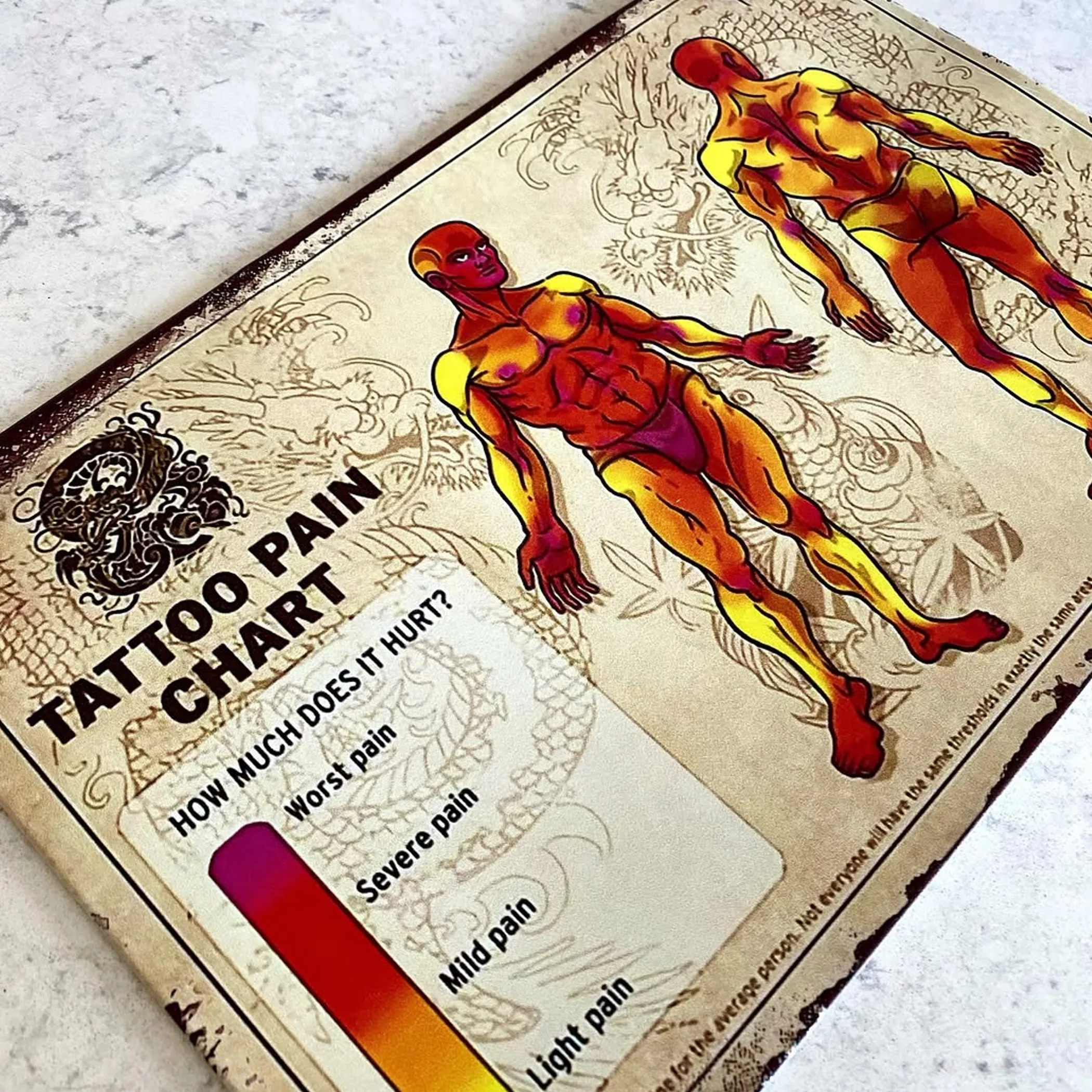
And finally the areas of conversation in the waiting room. The worst of it is to be expected from the ribcage, collarbone, spine, sternum, hands and feet, the armpits and the palms and soles.
I will put the useful quiet part on the record: there are placements a beginner would do well to steer clear of. It is not for want of strength on your part, but the confluence of pain, motion and healing can be hard going.
Why They Are So Sought After
Take the ribcage, it has a reputation for good reason; the bone is close at hand, skin is thin and you cannot stop the area from moving with every breath. Then you have the collarbone or spine which can be an intensely sharp, buzzy experience. The hands and feet are a case of thin skin and an abundance of nerve endings, with the added complication of having to heal them while putting them to use all day.
Such are the sensitive spots that top any pain map for tattoos. Palms and soles are particularly brutal, and a practical headache to boot in that the skin is hard working and sheds easily, compromising retention and the healing process.
For Whom To Forgo
Let us say you are making time for a first tattoo whilst away and have one day to do it; put it on the outer arm or thigh where there is some flesh to it. Anxious as you may be, or dehydrated, or short on time, or apt to faint, or with an appointment to fit in between a red-eye and a wedding, the high-pain areas are no place for a novice.
And if a studio is loath to put ink on a palm or sole or some small part of the hand, do not see it as a red flag. Inconsistent results are why they will not do it and it speaks to the artist’s honesty.
Making Light Of It
You are not going to have a day spa facial when you get tattooed, yet you can make the session less of an ordeal. Discomfort is as much down to a lack of preparation as the spot chosen.
There is a tendency for people to show up underfed and without sleep, perhaps with a hangover and a smugness about it. Call it what it is, poor organisation and nothing more.
The Essentials
Have a meal of protein and carbs a couple of hours prior. Put in some water. Dress in something the artist can get at and that will not leave you cold. If your blood sugar is inclined to drop, a sugary snack is wise for the longer sessions.
Put it to your artist beforehand on how long they expect the session to run and if they are amenable to numbing products. Some studios have a policy on topical options, others don’t. In Australia one should be wary of anaesthetic or numbing cream and heed the product directions and professional counsel. The Therapeutic Goods Administration is the authority to go to on medicine safety matters here.
At The Appointment
Breathe and do not fidget, but voice it before you are at your limit. A brief break is preferable to toughing it out and turning into a puddle. Should you find yourself contorted and the cramping or numbness sets in, tell the artist; a bad posture can be more painful than the needle.
Costs in Australia are as variable as the city and the size of the piece, though the rule of thumb is the longer it takes the more it will set you back. A placement that lends itself to easier work is sound advice for those with a sensitivity to pain and an eye on their budget.
- Do not forget to get some rest the night before.
- Eat and have your water before the session.
- Avoid alcohol and recreational drugs.
- Wear clothes suited to the job.
- Let the artist know if you feel shaky or otherwise overwhelmed.
On Healing
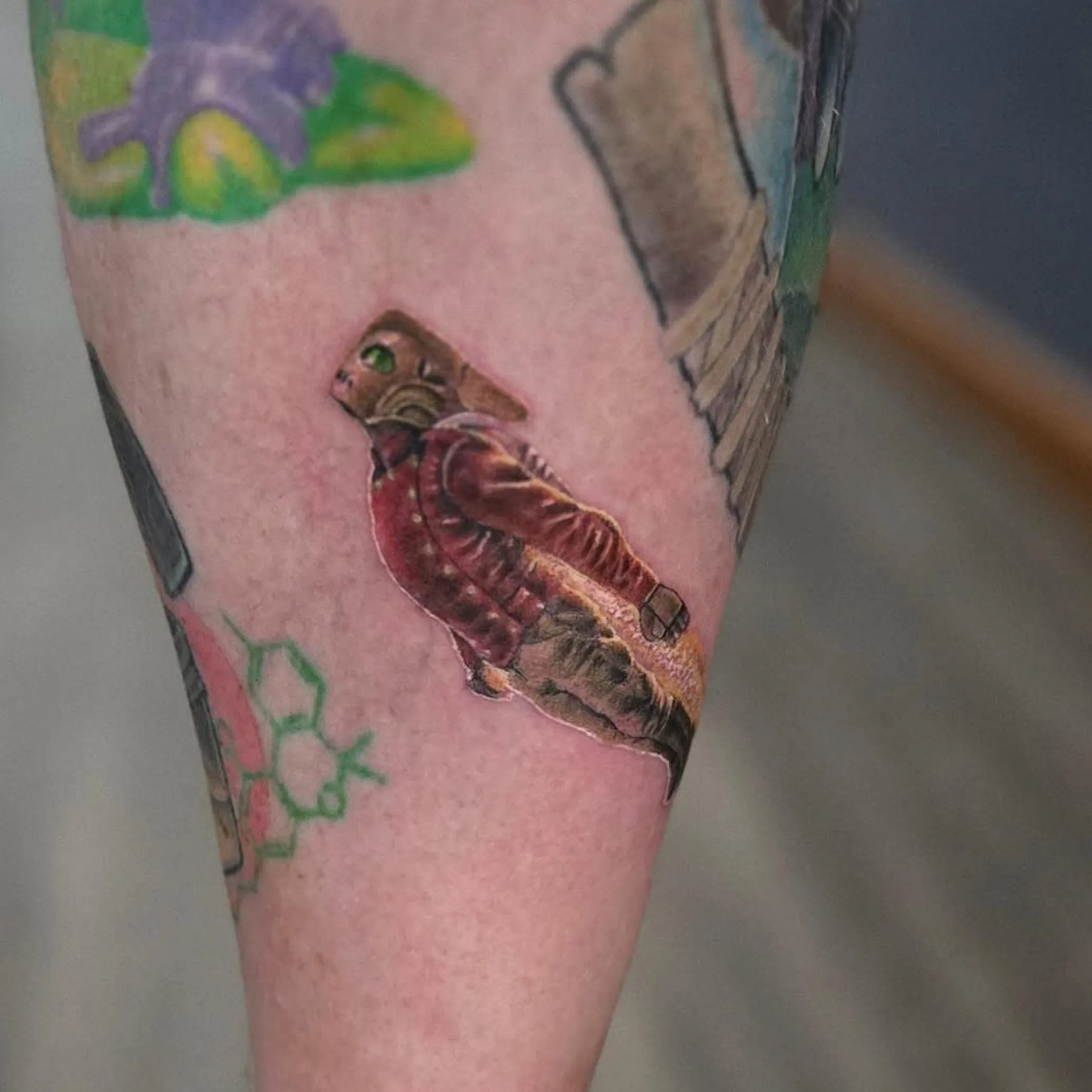
When the machine is done the pain is not over, though it should alter with time. Expect a fresh tattoo to be hot and tight, tender and akin to a sunburn for a few days. One should not mistake this for cause for concern. Some soreness, flaking, scabbing and an itch are to be expected in the normal course of aftercare. You will not find increasing redness, a fever, pus or any severe swelling there.
Normal Healing
The initial 24-72 hours are likely to be the most tender for a tattoo. After that the sting gives way to a tightness and itch. Studios have their ways about it; some will put on a healing film like Saniderm, others stick with the old fashioned wrapping and washing. But whatever is done, you should adhere to your artist’s aftercare without deviation. The manner in which the work was executed, the skin and its placement all factor into how well it heals.
It can be a bit fiddly around the hands, feet and joints as they are in constant motion and chafe against shoes or clothes. Do not read too much into it.
Pain Of Concern
Should pain get worse over the course of a few days instead of abating, or if there is red streaking, a foul odour, marked swelling or pus, do not hesitate to see a doctor. This holds true if you have had skin reactions before or made use of an occlusive dressing or numbing agent. Put simply, a tattoo is meant to be an annoyance at times, nothing more alarming than that.
A Word To The Wise
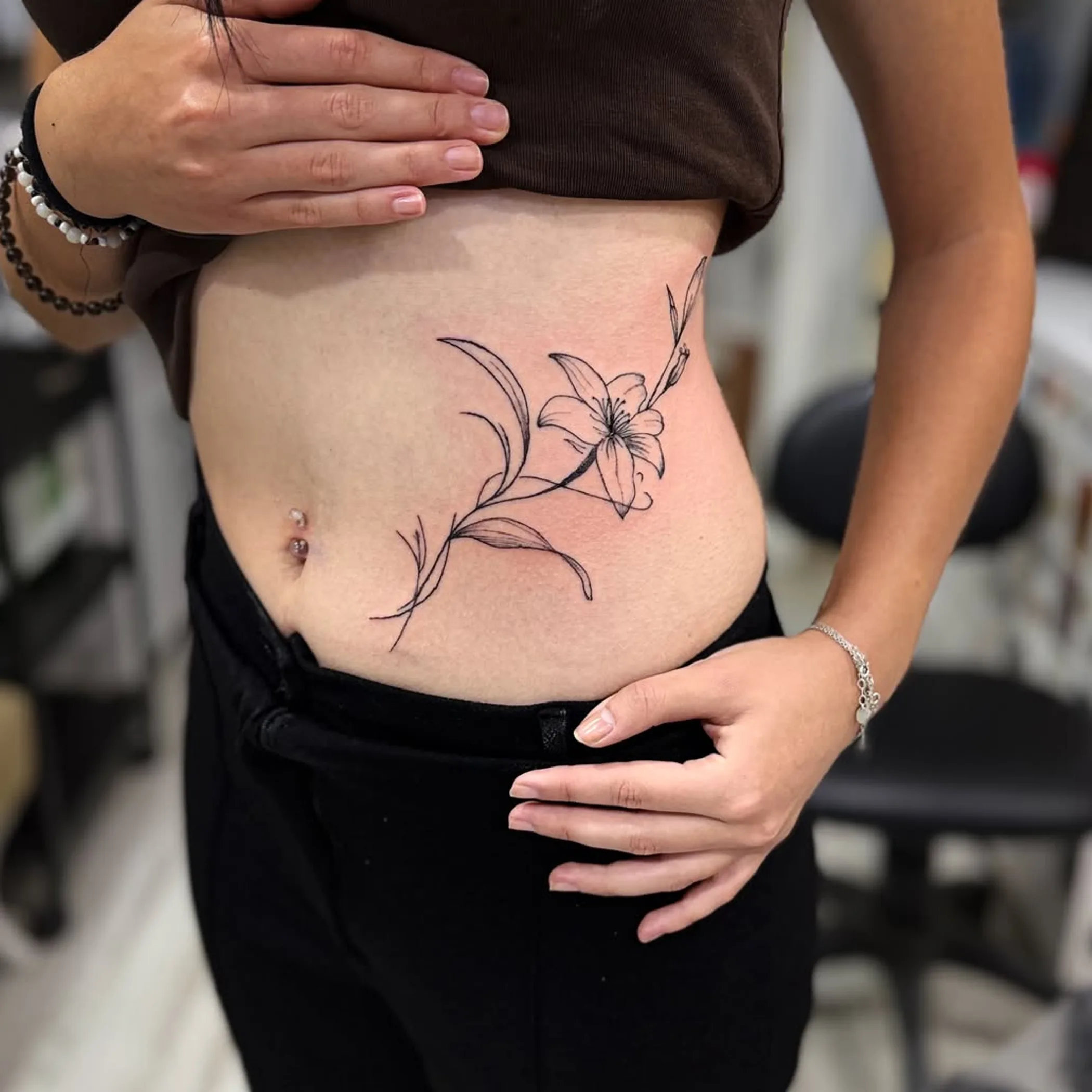
There is no value in a pain chart that has you priding yourself into a rib tattoo. A good one will aid in making a sensible choice. As a rule of thumb, the fleshy outer thigh or arm are the least painful places for a tattoo. The forearm and inner bicep are moderate. Reserve the ribcage, collarbone, spine, armpit and the like for when you are prepared for the worst.
Then there is the Nina Corcoran way of putting it: for your first piece, pick a spot where you can breathe, in every sense of the word. Let the fancy come later; a steady start makes for a better story.
FAQ
To help you decide if a tattoo is going to be a mild irritation or an occasion for full-body regret, here are the questions we are asked.
Which body parts hurt the most?
Those with little fat to speak of and a lot of nerve endings, such as the palms and soles, the sternum, spine and collarbone, or the ribcage and armpit.
And what of the most painful areas in general?
Most reputable guides will tell you the same: the centre of the chest, neck, bony back, ankles, fingers and ribs. Pain is subjective but these tend to rate in the 7 to 10/10 range.
What would make a top 10 list?
You will see the ribcage, armpit, collarbone, spine, sternum, hands/fingers, feet, soles and ankles. Some sources might put the groin, face, nipples or knees in there too.
Where is the least painful part of the body?
The outer upper arm or thigh for the majority. They are easier to position in and have less of a concentration of nerves.
Is there a different pain chart for men and women?
Not really. One may search for a male or female version of a pain level chart by body part, but the pattern is much the same. It comes down to tolerance, hormones, stress and body type rather than a convenient division by gender.