There is a simple way to put it when it comes to a crocodile safety guide for the Top End: unless you have been told to the contrary by local authorities or see official signage to the effect, consider any natural waterway as crocodile country. Do not go where it is closed off, confine your swimming to the places set aside for it and hold back from the edge of the water. A billabong may be as flat as a pancake but do not be fooled into thinking it is harmless for all that.
I am Nina Corcoran. My job is to put down some travel advice for what lies between the gloss of a brochure and the moment one puts two and two together and remembers the torch is still in the car. In the Top End confidence and good intentions will not serve you as well as a sensible plan, nor will any urge to be heroic and boil the billy by the river side. This is my guide to staying safe from crocs whether you are out on a remote track, at a fishing hole or making your way around Darwin, Katherine, Litchfield and Kakadu National Parks.
Be Crocwise
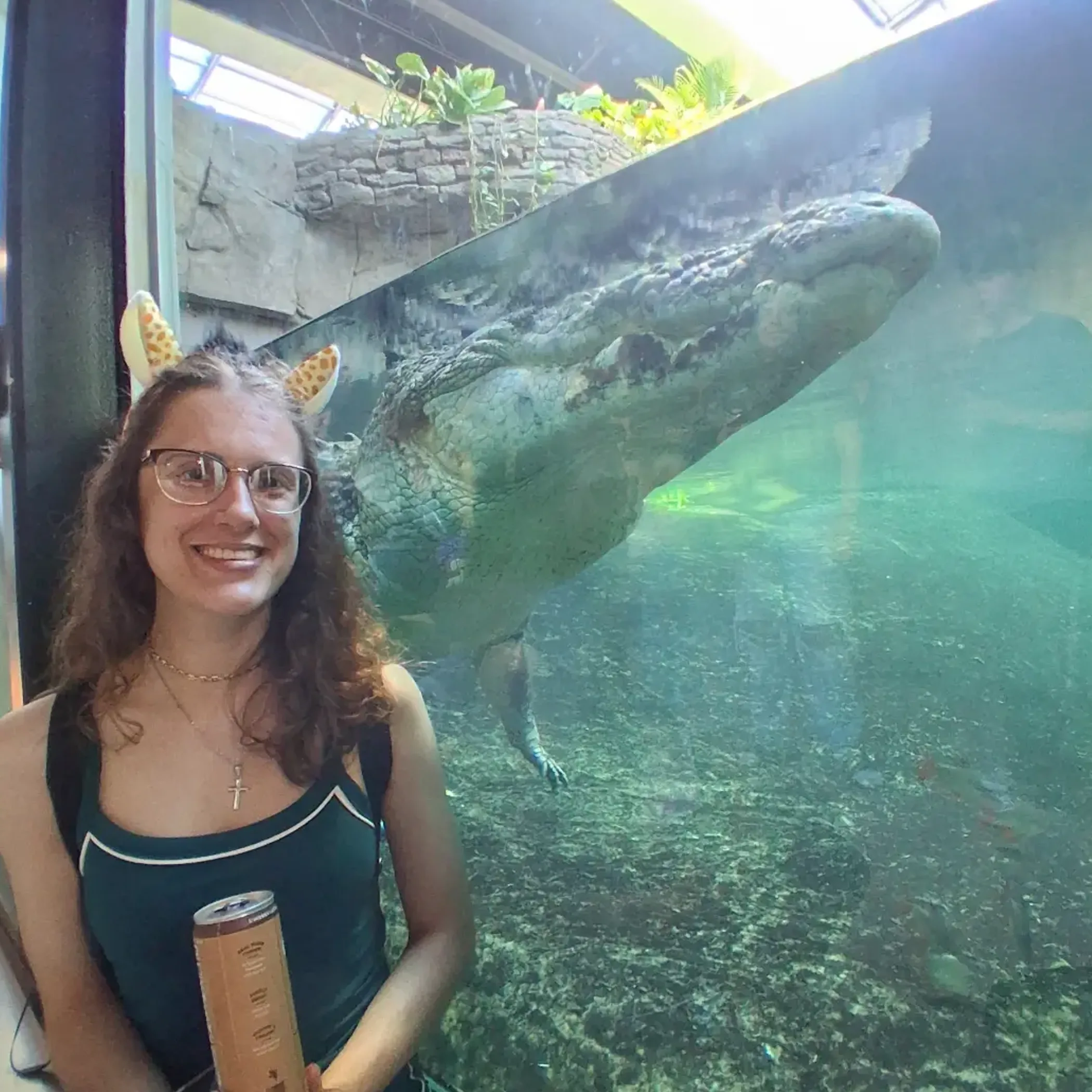
It is best to factor in some crocodile awareness to your itinerary before you get to the water. That goes for the seasoned angler as much as the newcomer who might think a paddle after lunch is a fine idea.
Check the signs and heed any park closures. Put in a word with staff about any recent sightings. For Litchfield reptiles safety, a spot that was safe enough yesterday is no assurance today; conditions can be altered by a new sighting, the tides or heavy rain. For up to date warnings the Northern Territory Government and the various park authorities, including Parks Australia, are your port of call.
Some Who Should Take Particular Precautions
Families, solo types, dog walkers, photographers and fishers alike will find this guidance useful when on Top End waterways. Children should be closely watched near the water and dogs kept from the edge; a bit of splashing or a chase is sure to draw a crocodile’s eye.
Then there are those who are fatigued, under the influence or without a torch and unfamiliar with the tides. They put themselves at greater risk. You cannot mix a tinnie of beer with crocodile safety. Drink elsewhere and let someone in your group be the one to make the call on matters of safety.
The Habitats of the Top End
Do not be misled by the name of the saltwater or estuarine crocodile, they are found in more quarters than you would imagine. Tidal rivers, creeks, coastal wetlands, lakes, dams and floodplains are all fair game in the Top End. The absence of salt does not mean an absence of crocs.
You will find them in such haunts as the East Alligator, Adelaide, Daly and Mary Rivers, in Darwin Harbour and around Kakadu. In the wet season they will put in an appearance in culverts, drains and over any land that has been flooded. It is better to understand that they are mobile than to try and commit every location to memory.
What the Seasons Bring
With the wet season come fast water and poor visibility to go with the rain and flooding. Expect roads and tracks to be shut down on short order. From November through April cyclone alerts can put a damper on access and park business across the north.
In the dry the roads are more passable but the crocodile risk is not gone. Waterholes will be taken up and the popular sites can be crowded. Having company on a waterway is no false security, crocodiles are not going to form a queue.
A Few Rules to Live By
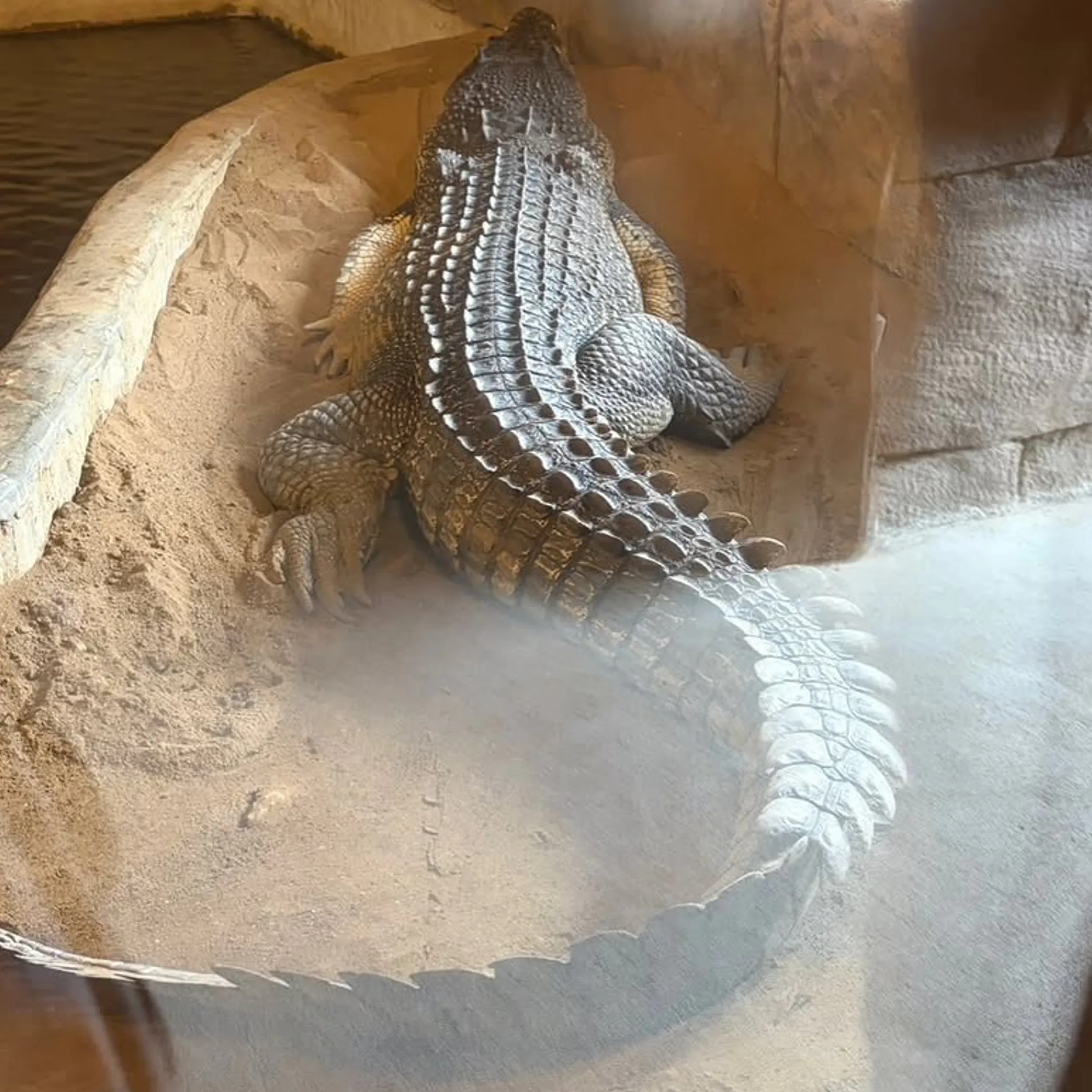
In the Northern Territory one maintains distance and pays attention, there is little room for improvisation. If the sign says “no swimming” then that is that, regardless of how marvellous a time the fellow next to you seems to be having of ignoring it.
These are the rules for the urban waterway as for the boat ramp or campsite. Bear them in mind when you are sunburnt or jet-lagged or put in mind to get a picture of a bird that has come a little too close to the bank.
- Only swim or wade where it is marked and approved.
- Give the water’s edge a wide berth, particularly where the banks are steep or muddy and there is vegetation hanging over.
- Make sure children and dogs are kept in and not left to their own devices by a creek or billabong.
- Leave the food scraps and fish offal at home and do not throw anything in the water to feed the crocs. A torch is essential after dark. At night one should not be walking in the vicinity of waterways and a crocodile must never be put in range for the sake of a good photo.
- There are rules to be had: heeding ranger instructions, temporary restrictions, park closures and any crocodile warning signs put up.
- Should you spot a crocodile, especially in an area where visitors are likely to be, put in a report to the local authority or the park.
What Most People Get Wrong
It is an error to equate what can be seen with safety. A sunny day, clear water and a well populated picnic spot are no guarantee that there is not a crocodile about. Then there is the folly of putting your toes over the bank for a picture. One would do better to stand back from a quiet muddy edge or where there are animal tracks and a high-water mark.
Do not be taken in by the size of a crocodile; a juvenile is as much a wild predator as any and its larger kin could be at hand. Make not of size or stillness your measure of safety.
Swimming in Top End Waterways
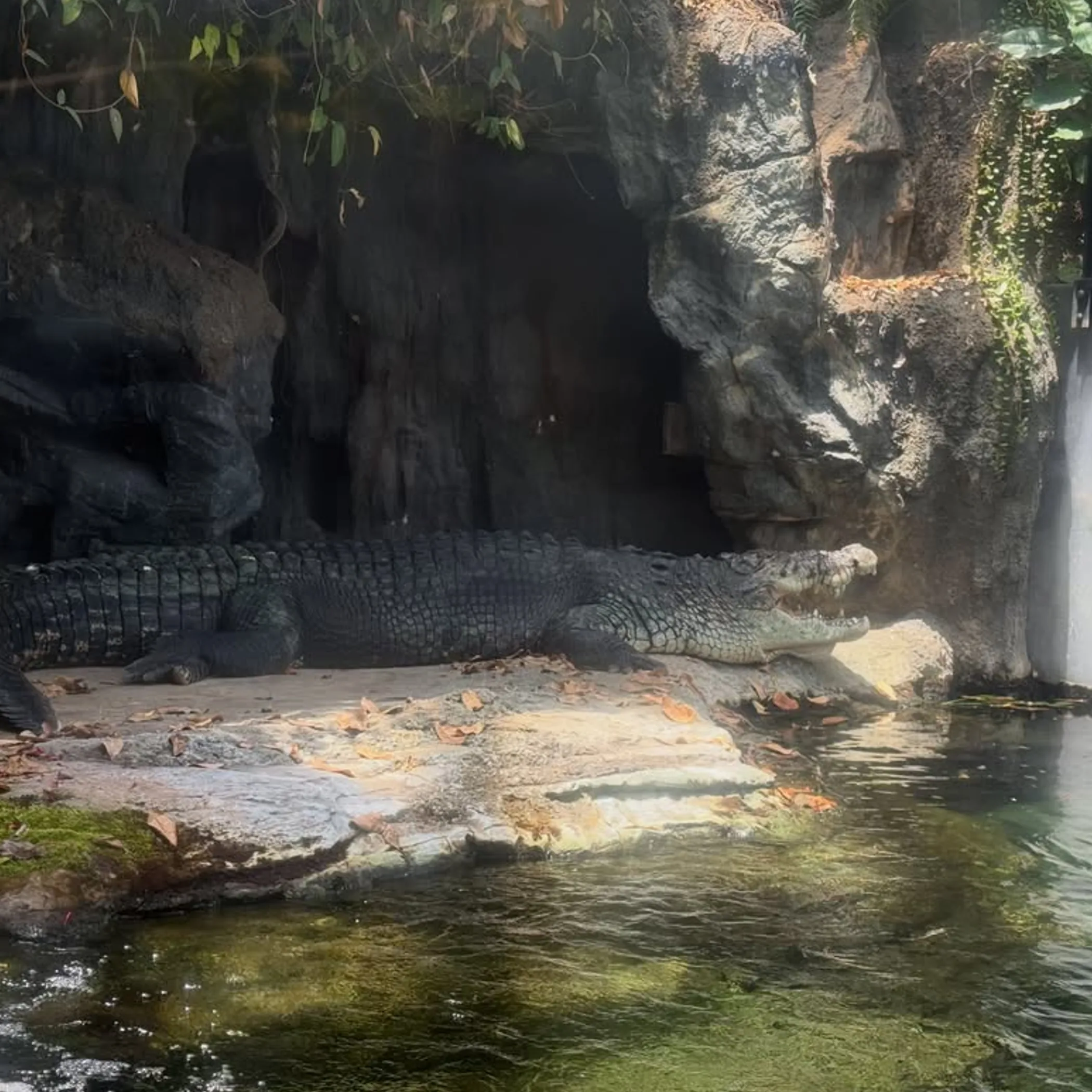
Only go to swimming areas that are officially open and designated for the purpose. In Litchfield National Park some pools and waterfalls will be fine under present conditions, but others may be shut down on account of flooding, strong currents, rock hazards or simply because of crocodiles.
Old social media or a travel forum post is no substitute for the sign at the entrance; nor is the word of a friendly stranger in his thongs. Check with the staff before you get changed. What appears to be an inviting hole in the water may have rough going beneath it.
Reality Check for Swimming Areas
You might plan to make your way to the water and have a cool off, but then find the ground uneven, have to put up with a closure or turn around for the day. Have the time to make the walk back, do not consider the car park an emergency base and have secure footwear and drinking water to hand.
Dusk and dawn are not times to be in the water with poor visibility and the prospect of not seeing a crocodile. Night-time is out of the question. Swim with company and not alone. And if there has been heavy rain or flooding, stay out of it unless the authorities say otherwise.
Camp, Walk and Sleep in Safety
A riverside camp can be all very quiet and lovely until you leave some dinner scraps. Stick to an established site some distance from the waterway and abide by the food storage and fire rules. Do not put in a tent nearer the water just to escape the mozzies on higher ground.
Be tidy. Put your rubbish away and keep fish offal from the edge of the water and the camp. Food odours and left over bait are enough to draw in wildlife without having to invite a crocodile.
Walking and After Dark
On the marked tracks take sufficient water for the terrain and the heat. Allow for shade breaks, slippery patches and the odd dispute over who has the sunscreen and even a short walk will run longer than the sign indicates. In remote country let someone know where you are going and have a phone with charge, though reception has a way of vanishing.
When it is dark, use a torch and remain on the landward side of any barriers. There is no need to be on a riverbank in the dark to make for the dunny. If the camp is close to a waterway, enquire of the staff as to the best route to the facilities.
Fishing and Boating
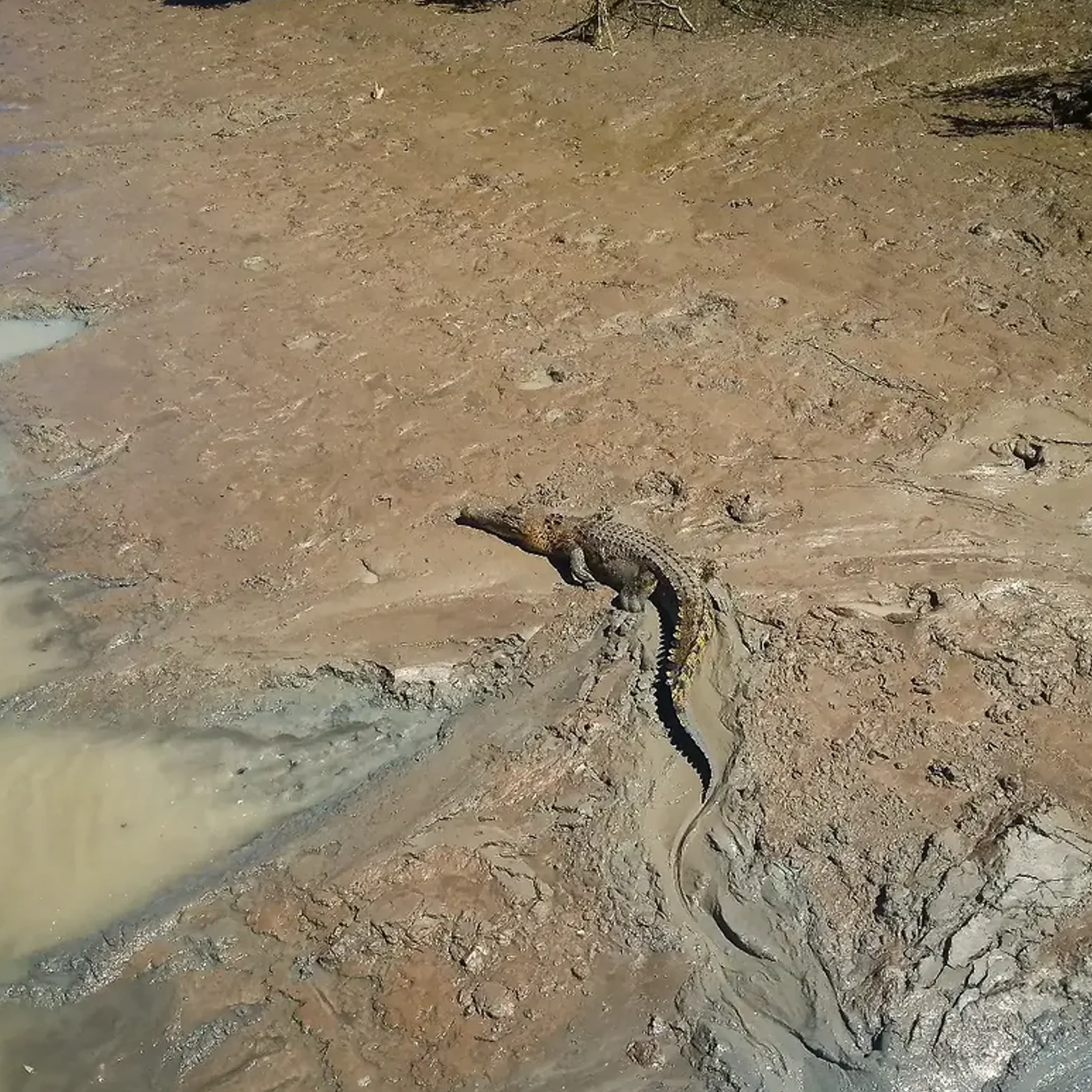
Put some distance between yourself and the water when fishing. From a stable and approved spot keep hands and feet off the bank and do not stand on the lip of a muddy drop-off. Leave the cleaning of fish to somewhere other than beside camp and do not put unwanted bait in the water.
If a crocodile makes its presence known while you are fishing, put the rod down, do not feed it and make your exit in a calm manner. Inform those around you and the relevant park contact. Let the lure be, it is less expensive than being medically evacuated.
For the tinnie and boat
Make use of the proper ramps and launch areas. Passengers are to be in the vessel and life jackets worn where they should be. No dangling limbs in the water or leaning over the side. Bait and catch and the like should be put away so as not to attract attention.
Take tides, daylight and the weather into account when making plans. One does not want to be caught out by a wet-season storm turning a return trip over tidal waterways into something arduous or unfeasible; they are prone to rapid change. Be sure you have on hand the right navigation aids, fuel, water and means of communication for the journey. You should not have to find out in some remote corner that your fuel gauge has been overly optimistic.
Plan For Darwin, Kakadu And Litchfield
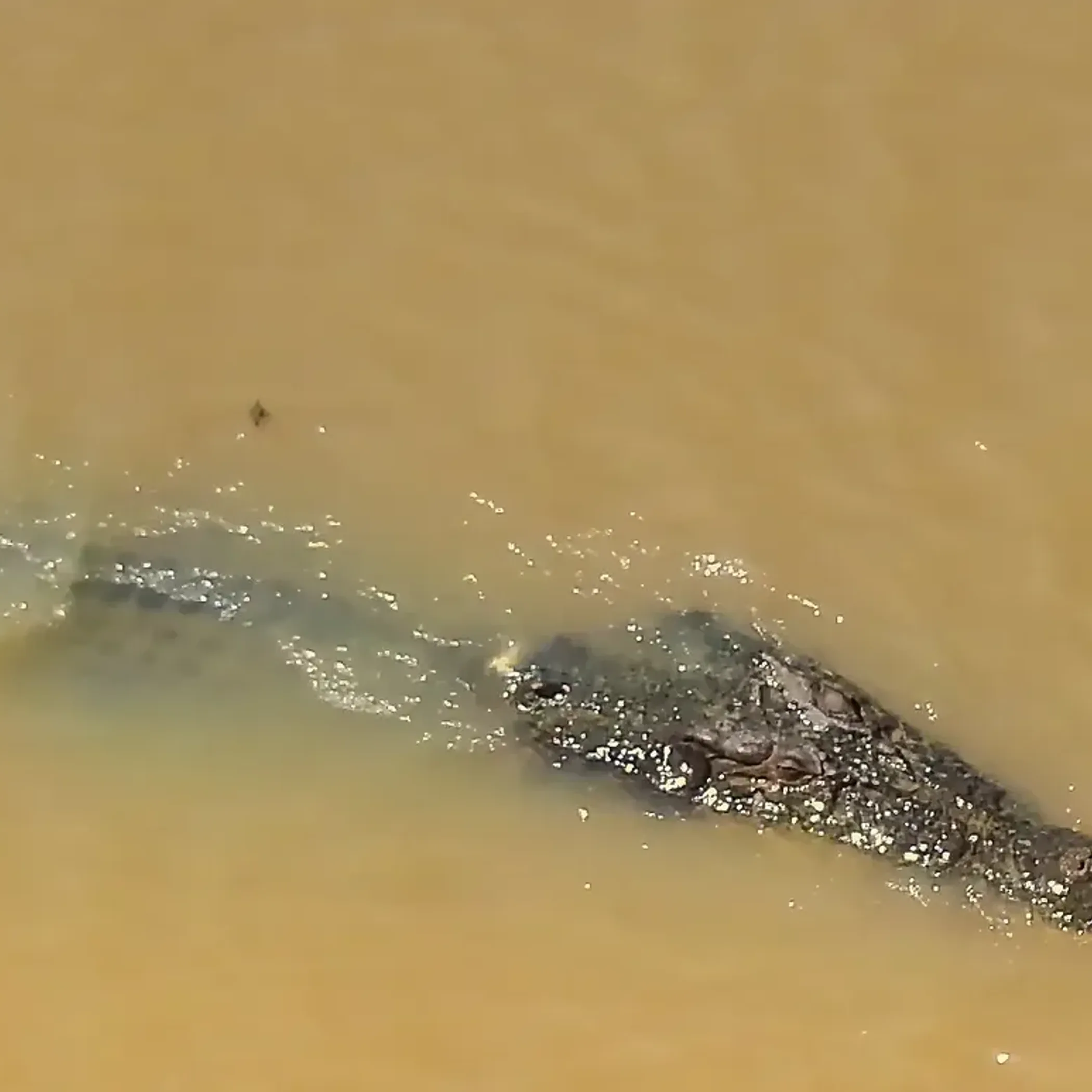
The sort of crocodile safety a Darwin visitor requires is not quite what one would need in a park off the beaten track, yet the rule is unchanged: being in an urban setting does not negate the risk from wildlife. Heed the warning signs put up at beaches, mangroves, creeks and other tidal zones and confine your swimming to where it is approved.
In the river systems and wetlands of Kakadu National Park, Parks Australia rangers and their signage will tell you what to do at any given stop. As for Litchfield National Park, while the waterfalls and swimming are much in vogue, conditions and access can be variable. Make it a point to consult the official notices in Darwin for the latest on reptiles before you head out.
| Area | Plan Before You Go | What Can Catch Visitors Out |
|---|---|---|
| Darwin | Verify closures, approved spots for a swim and any warnings in the tidal areas. | Do not be under the impression that because it is an urban view the waterway is safe. |
| Kakadu National Park | Factor in ranger advice, the length of the drive and any wet-season or park-imposed closures. | It is easy to drive to a billabong that looks familiar without first ascertaining the situation. |
| Litchfield National Park | Set out only after confirming which tracks and swimming are available. | The rules are not the same for every plunge pool or waterfall. |
| Katherine | Enquire as to local crocodile activity, how to get a boat on the river and so forth. | Do not stand too near the banks in the hope of a good wildlife shot. |
Practical Travel Logistics
For putting together supplies, a guided tour or a car hire, Darwin is the most convenient base. In Kakadu and Litchfield a dependable vehicle with ample fuel and directions that do not need a signal are best. An ordinary hire car may not be up to the task on some of the more isolated access roads, particularly in the wet season when they can be closed.
Make allowances for the heat, roadworks, an unplanned closure or simply the wildlife. What appears to be a straightforward day trip on paper could be hours of driving either way. Costs for transport, tours, accommodation and the like will differ, so have a look at the official figures for your budget. Then there is the no-cost option for safety: read the sign.
Responding To A Sighting
Put some distance between yourself and the water if a crocodile is spotted and see that your party does likewise. There is no place for approaching it, trying to lure it in with calls or objects, feeding it or jostling for a photo. If the route back is safe, use it to put yourself well clear.
From a position of safety note down the time, direction and where it was. Put in a report to the ranger service or local authority. Should there be anyone in peril, the emergency services are to be called. Unless a professional tells you otherwise, do not go in the water to render aid to person or animal; call for assistance and hold others back.
A Safety Plan for the Day
For a single day out, make an open visitor area your first order of business; one that is well run with up to date signage and staff on hand. See what the route is like in advance, put some water and sun protection in your pack, top up the tank and do not head for a swim at any but an approved spot once you have ascertained it is open. Allow daylight to spare for getting back.
Such a plan will do for families, the cautious or any traveller after a no-nonsense way to see the Top End. But do not put it to use for a night walk, some unmarked waterhole or a wet-season excursion without the local know-how, let alone remote solo fishing. Leave the cowboy act to the movies.
Frequently Asked Questions
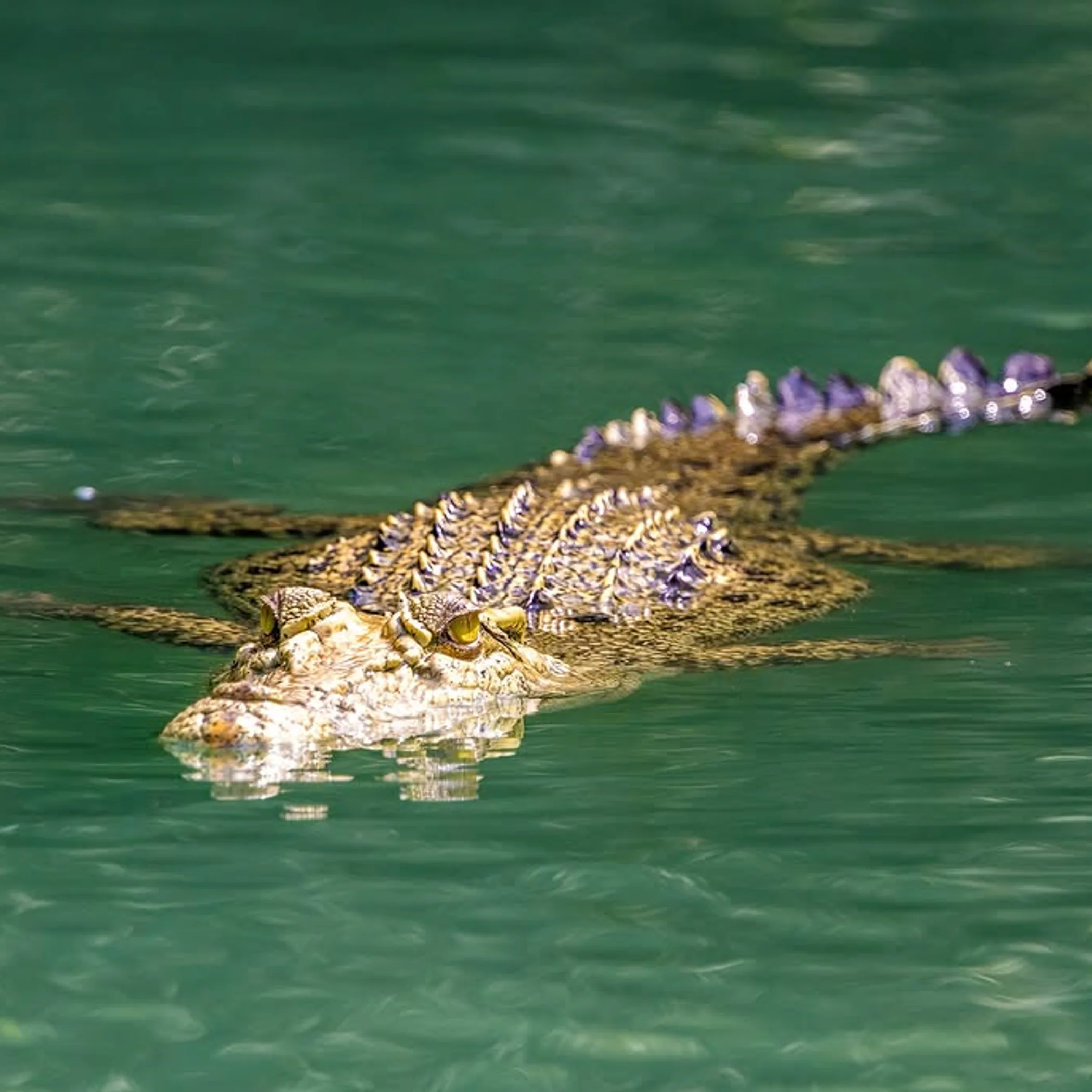
Where in Australia are saltwater crocodiles?
They are present in the north of Western Australia and Queensland as well as the Northern Territory. In the Top End they are in the coastal and inland waterways so do not be under the impression that fresh water means no crocs.
Is there a safe southern limit for crocodiles in the NT?
Not one that can be relied upon by the traveller. They will travel through connected waterways and flood conditions alter their habitat and access. Heed the signs and what the authorities say.
Safe places to swim in the Top End?
Stick to those that are marked and officially open. What applies in Darwin may not in Kakadu or Litchfield National Park or Katherine, so take note of any ranger advice or closures for the day.
On seeing a crocodile
Get off the water and hold others back. Do not go near it or put out food, then put in a report to the proper authority. Should there be someone in danger, put in an emergency call, but do not put yourself in the water.
Staying safe from them in Kakadu
Heed the instructions of rangers and Parks Australia. Keep clear of riverbanks and billabongs, do not venture into closed waterways and only swim where you are meant to. If you are to drive into the more isolated sections of the park, make sure you have checked for any recent warnings or wet-season closures.
If a crocodile comes on while you are fishing
Put down your rod and back away from the bank in a calm fashion. Do not feed it or make an issue of it. Let anyone close by know and report it, but do not make a move to get your tackle back from the vicinity of the animal.
Darwin and Litchfield National Park?
You will find them. The waterways around Darwin’s coast and tides are home to crocs and at Litchfield the rules and signage must be followed. Being a popular venue does not make it free of them.
Some better planning
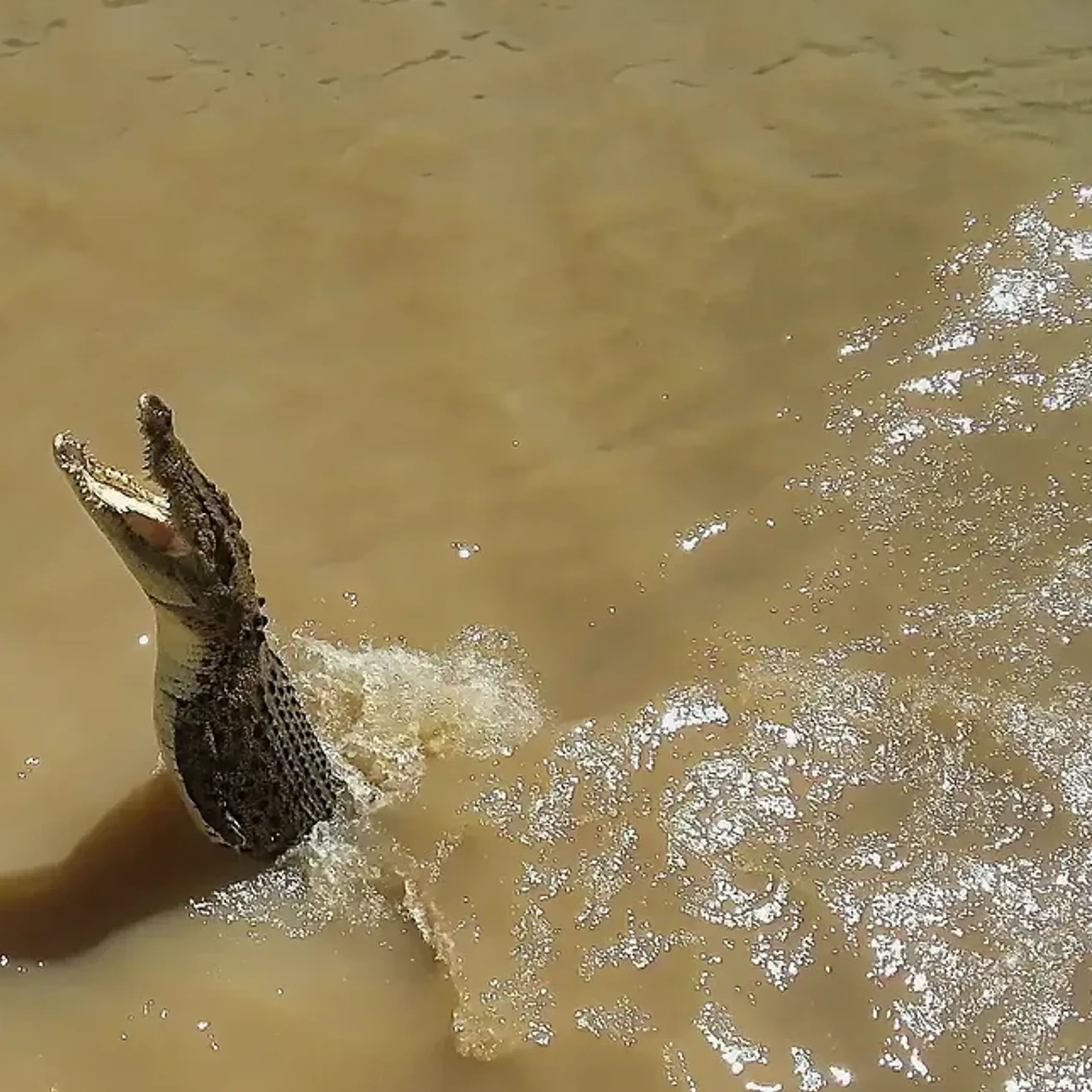
The easiest way to be safe with a saltwater croc is to work on the assumption they are in the water until told to the contrary. Stand back from the edge, pay attention to warning signs and local counsel, secure your food and confine your swimming to the designated areas.
Make sure you have read the Be Crocwise safety guidance from the Northern Territory Government and looked over the weather, access and any park closures prior to your trip. The Top End is for those who are careful. Be sensible about your plans and give the crocs room; you can have your dramatic tale to tell at the bakery later.