In the course of an Australian concrete restoration project, temperature will determine if a repair is good for decades or is cracking up before you have even put the ute in gear. The combination of hot sun, cold nights, drying winds and low humidity will alter the cement hydration, the working time, moisture retention and chemical curing to the point where the final strength of the concrete is at stake.
I am Nina Corcoran. I do not put much stock in a repair schedule that has the weather of this country as mere scenery. One can get vastly different outcomes from a Newcastle morning to a Sydney heatwave, a wet afternoon in the Top End or an inland night when it gets cold. Here I set out how temperature bears on concrete restoration and what one should be planning for; you will see too what is likely to trip people up when the forecast seems innocuous.
The way temperature alters results
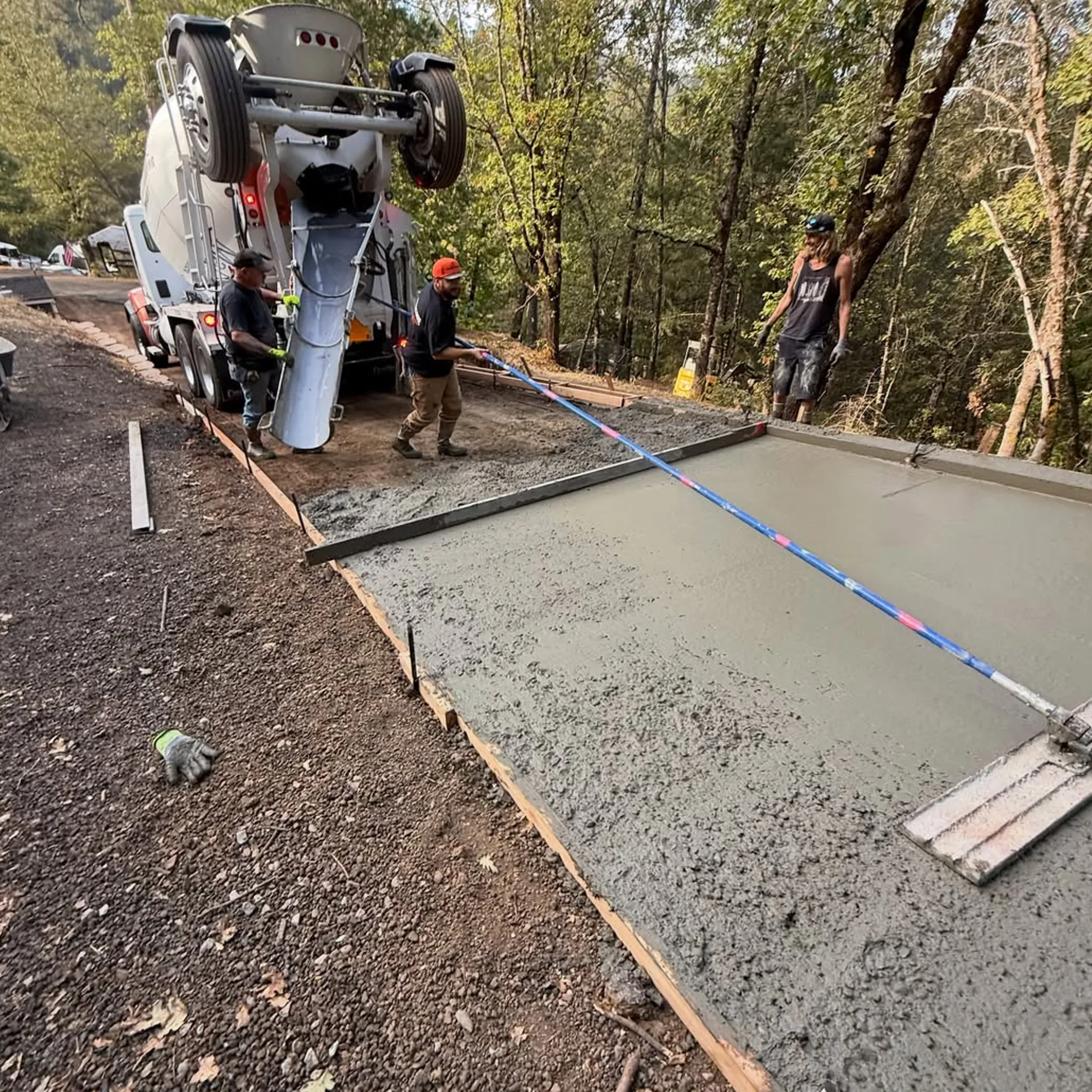
Restoration of concrete is all about a controlled reaction of the cement, water and whatever else is used to make the repair. From the surface prep to the day you can put traffic back on after stripping the formwork and curing, temperature has its say, especially when considering the ideal weather for surface stripping.
Do not be deceived by the air temperature, the substrate is what counts. A slab in full sun will run far hotter than the numbers would suggest, a bridge deck in the shade will be cold long after the air has warmed.
Hydration requires water and time
It is through hydration that the compounds are formed which endow the concrete with strength. In warm conditions setting and hydration will speed up. It may seem like a boon but it can eat into your working time, complicate the finishing and leave the repair without sufficient moisture. Conversely, in the cold hydration is a slower process. What appears firm on top might still be building strength below and the repair will be weak for longer. Do not think of 28-day compressive strength as some kind of magic appointment, it is only a benchmark; a cold job will take its time to meet spec.
Substrate versus ambient
There is a difference between the ambient air and the substrate, the surface you are putting the repair on. You need to look at both, as well as the wind, the humidity and the mix water. Relying on a weather app is where most go wrong. A dark path against a north wall will pick up heat quickly, a basement ramp in the shade will be damp and cold. On an exposed roof or road the team ought to be recording the conditions before they start mixing and while placing.
Curing in the right temperature
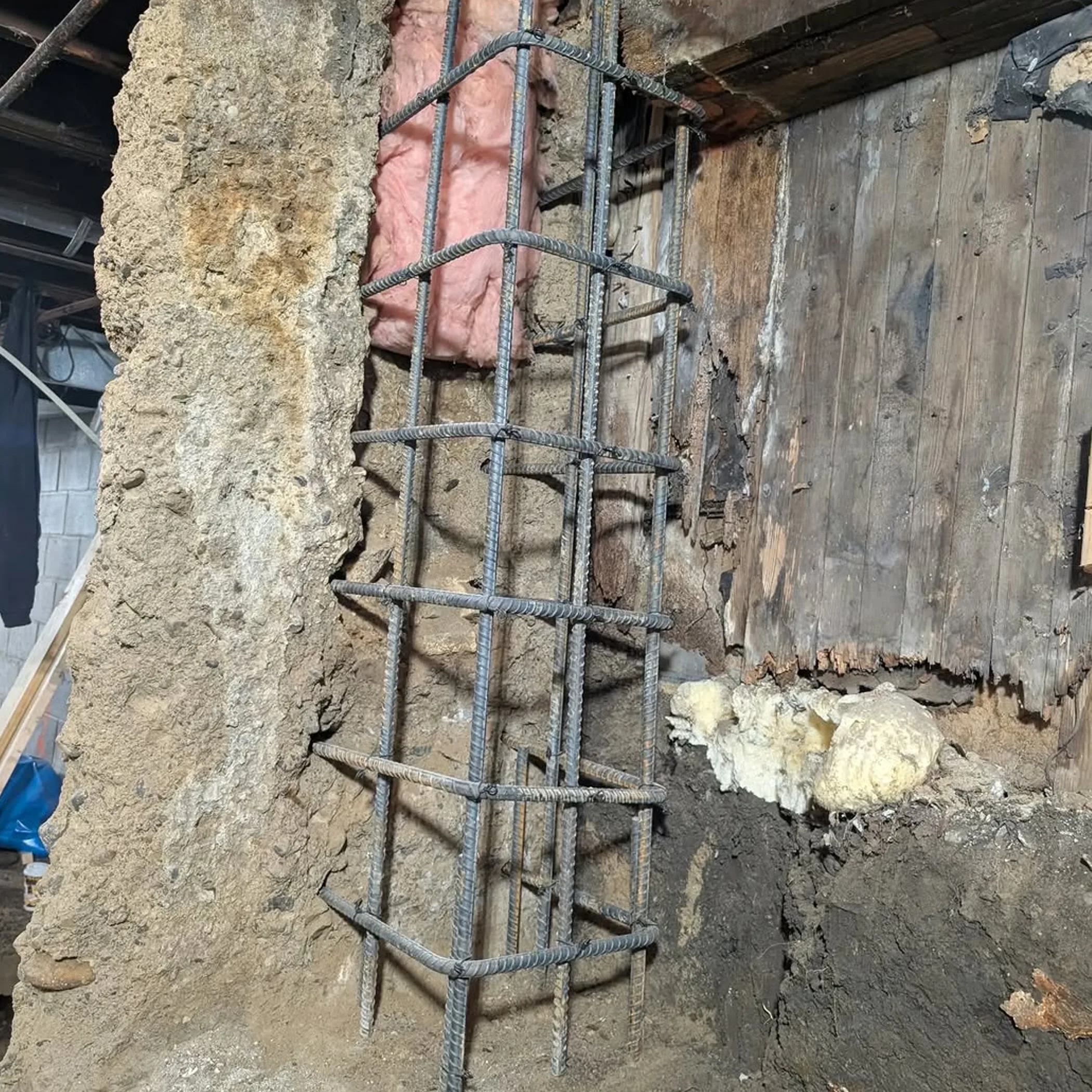
You want stable temperatures, manageable wind and some assurance of moisture for a good cure. But the product and the depth of the repair will dictate the limits, so follow the manufacturer’s data and the engineer. In Australia we are not looking for just any mild day, we need a stretch of time to place and finish and do the early curing without evaporation running away with it or a sudden change in the thermometer.
An untroubled day is better for the concrete to attain its strength. Do not put it down if the substrate is very hot or there is a cold snap in the offing for the first period of curing. Summer repairs are easier in the early morning though not without risk; the surface can be hot from the day before and evaporation will set in once the sun is on it. In winter you might wait until late morning for better temperatures but then have to factor in the cooling off before night.
Make plans for stability
AS 1379 for the supply and specification of concrete and AS 3600 for structural design are part of the framework, as are the NCC 2025 provisions in some jurisdictions. They are no substitute for the method called for on the project however. In New South Wales there may be stipulations from asset owners like Sydney Water. Contractors are well advised to have the mix, testing and curing method approved before they start.
| Condition | Main risk | Useful response |
|---|---|---|
| Hot substrate / strong sun | Plastic shrinkage cracking, rapid evaporation and setting | Put up shade, cool materials if you can, apply retarders and begin curing |
| High wind / low humidity | Surface dries out prior to gaining strength | Wind breaks are in order, keep the area small and protect the surface in finishing |
| Cold air and substrate | Cold joints, slow gain in strength | An approved cold-weather procedure is needed, extend the curing |
| Big change from day to night | Uneven curing, thermal movement | Insulate, check temps and do not strip formwork prematurely |
Fresh repairs are hard to come by in the heat of summer
Fresh repairs are hard to come by in the heat of summer since the water is gone faster than the cement can hydrate it. An upset in the balance and the surface will tend to put on a stiffness before the material below is done. The result is a finish that is rough, inconsistent or weak, with the possibility of the repair cracking at some point.
Then there is the Australian sun which will not be reasoned with. Throw in low humidity, drying winds and a dark substrate and you can have a perfectly good repair turn as rough as guts in no time.
Rapid Evaporation And Cracking
When evaporation is swift one runs the risk of plastic shrinkage cracking. While the concrete is yet to harden these will show up as irregular, short lines on the surface. They are not to be confused with structural cracks that come later, though they are no less in need of being assessed.
Excess water left near the top by an overzealous finisher or a surface that dries in a hurry under hot conditions will see scaling and spalling. And if the concrete is setting unevenly the team may find themselves trowelling away at it, making things worse and leaving a weak layer without knowing it.
Protect The First Hours
What matters most is the first hours after placement. Put up shade and windbreaks and apply an evaporation retarder where called for. Start curing the moment the surface will take it.
Whether it is a curing compound, wet hessian or plastic sheeting, these are all means of holding moisture. With wet hessian one has to ensure it stays wet and does not stain or get in the way of the repair system. A curing compound has to be of a type that will not conflict with any adhesives, membranes or coatings down the line. Much like sunscreen, it is only as good as the application.
Summer Scheduling Mistakes
There is nothing inherently wrong with doing concrete repairs in summer. It is the scheduling that is the error: putting the job in for the heat of the day, having too much of a gap between mix and placement or opening up the surface because it seems firm.
Make allowance for every stage from preparation to inspection. One might think a small patch is ready for light access ahead of a deep structural fix but let the test requirements and the material dictate that, not a thumb to the surface.
How Cold Delays Concrete Repairs
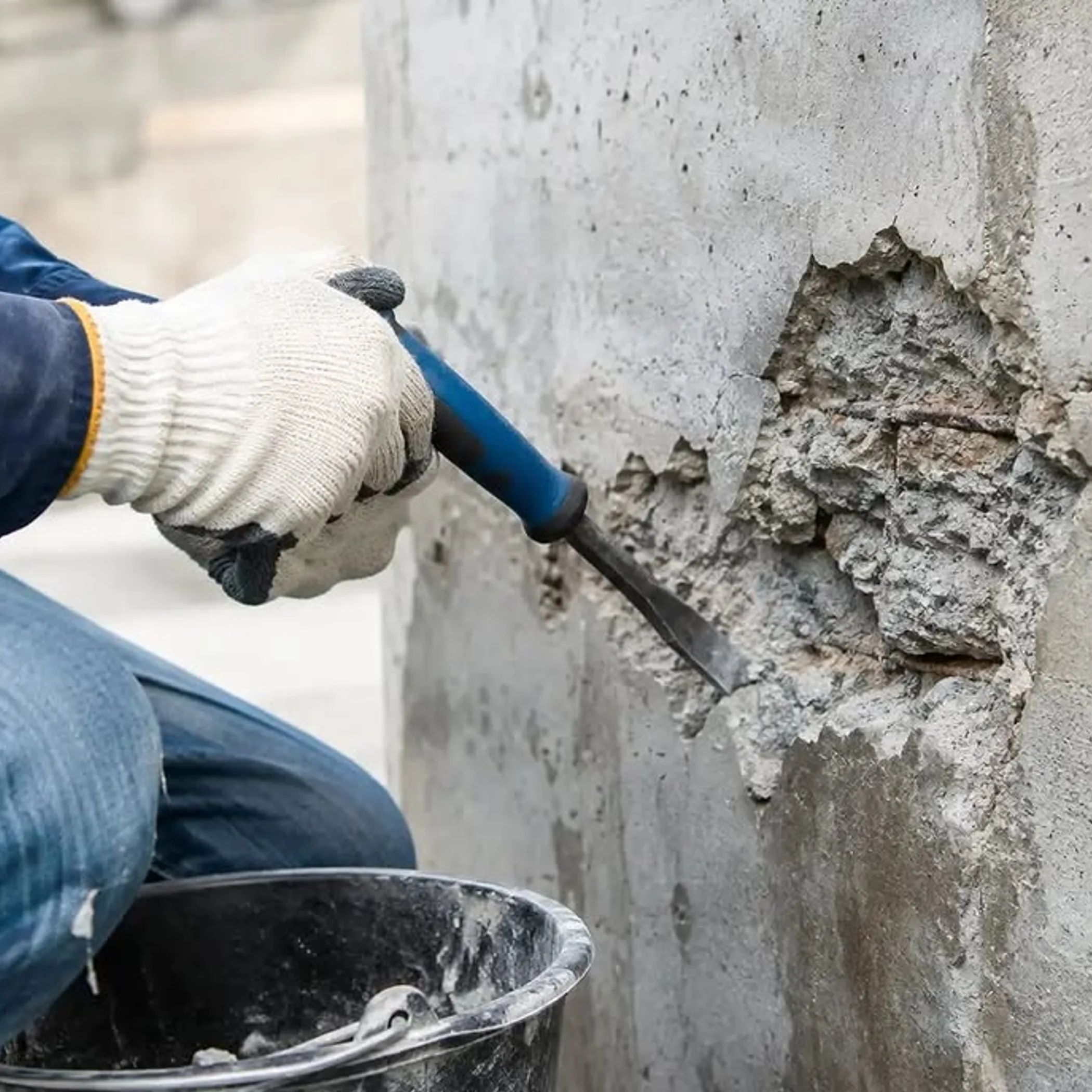
The cold can be overcome in a concrete repair so long as the team has temperature and moisture in hand. Slower cement hydration is the issue, worker discomfort aside. Let the repair get too cold and it will either put on strength at a snail’s pace or not perform as it should.
Inland New South Wales, Tasmania, alpine country or any structure in the shade are unforgiving in this regard. An afternoon of sun is deceptive when the night will see the repair give up its heat.
Slow Setting And Cold Joints
Working time is longer in the cold but that is not always to one’s advantage. You can end up with a cold joint between placements if one batch starts to set and the next is still soft. Texture and bond will suffer from a pour that is not well timed.
Do not place concrete on a base that is frozen, saturated or iced unless the method on the books allows for it. See that standing water is gone and the base is fit for purpose. A gas heater or fan is no panacea; in an enclosed space uncontrolled heating can raise carbon dioxide levels or dry out the surface.
Insulation
A curing blanket of the insulating sort is useful for keeping in heat. For work that is more exposed or of a larger scale a heated enclosure can be used, assuming ventilation is safe and conditions are even. But do not simply wrap the repair and leave it to be; it needs monitoring.
Take blankets off too soon and the thermal stress will shock the surface, a warm repair confronted by a cold night for instance. If the repair is taking its time to strengthen, prolong the protection.
Winter Access And Reopening
A winter programme for concrete repair will run longer. The surface may be dry but if the requisite strength is not there traffic cannot be let back on.
Before starting, have your plans in order for parking, deliveries, pedestrian controls and alternate routes. Make it clear to the residents and businesses using a driveway or shared lane when they can and cannot use it. “Back soon” on a sign is not a plan for traffic management.
Materials And The Australian Climate
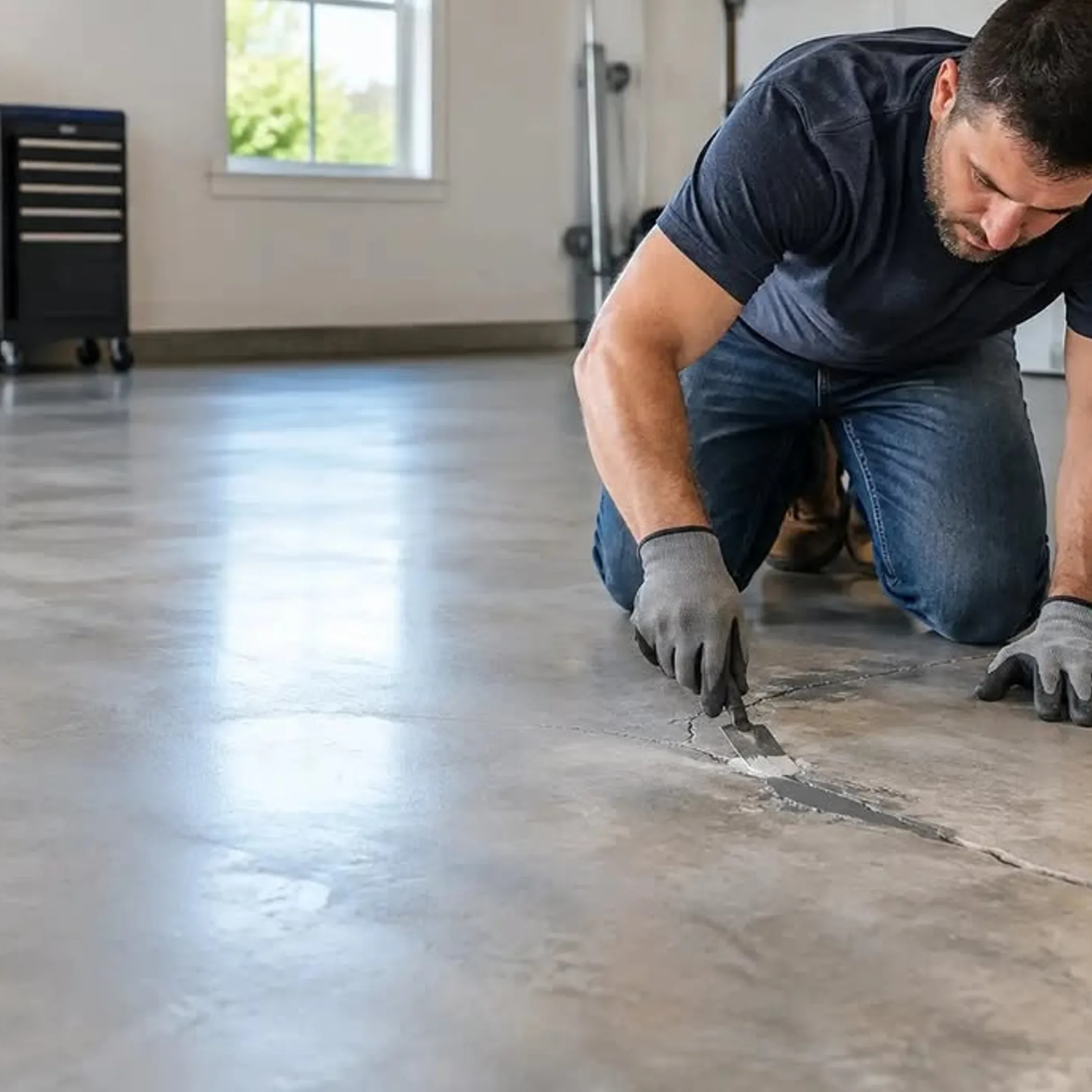
Epoxy resins, structural mortar and acrylics will have their own limits as far as mixing, curing and substrate temperature go.
One should regard the technical data sheet as an integral element of the work method, not something to be perused at night. It is the prudent course of action to verify the gel and working times, moisture tolerance, compatibility with what is already in the concrete and the temperature parameters for application.
Control of Epoxy Resins
Hot weather will see epoxy resins put on a shorter gel time. When dealing with larger volumes the team can be left with a narrow window to place and finish. There is also the matter of uneven bonding or air entrapment from too much heat.
Then there are cold conditions which will protract the cure and keep the resin soft; adhesion is no better for any moisture on the substrate. Make sure the product does not call for a dry surface and that the cure temperature is held to for the requisite time.
Acrylics And Structural Mortar
While acrylic repair materials have their merits in the way they cure, one still has to have the right ambient temperature and substrate. With structural mortar the water content, placement and curing must be closely controlled. If the mix is stiff, do not be tempted to add water as it will only compromise performance and lead to more shrinkage.
Do not go by the book of last season’s habits. A hot Pilbara afternoon will make the very same product act like another thing entirely to a damp morning by the coast.
Practical site controls
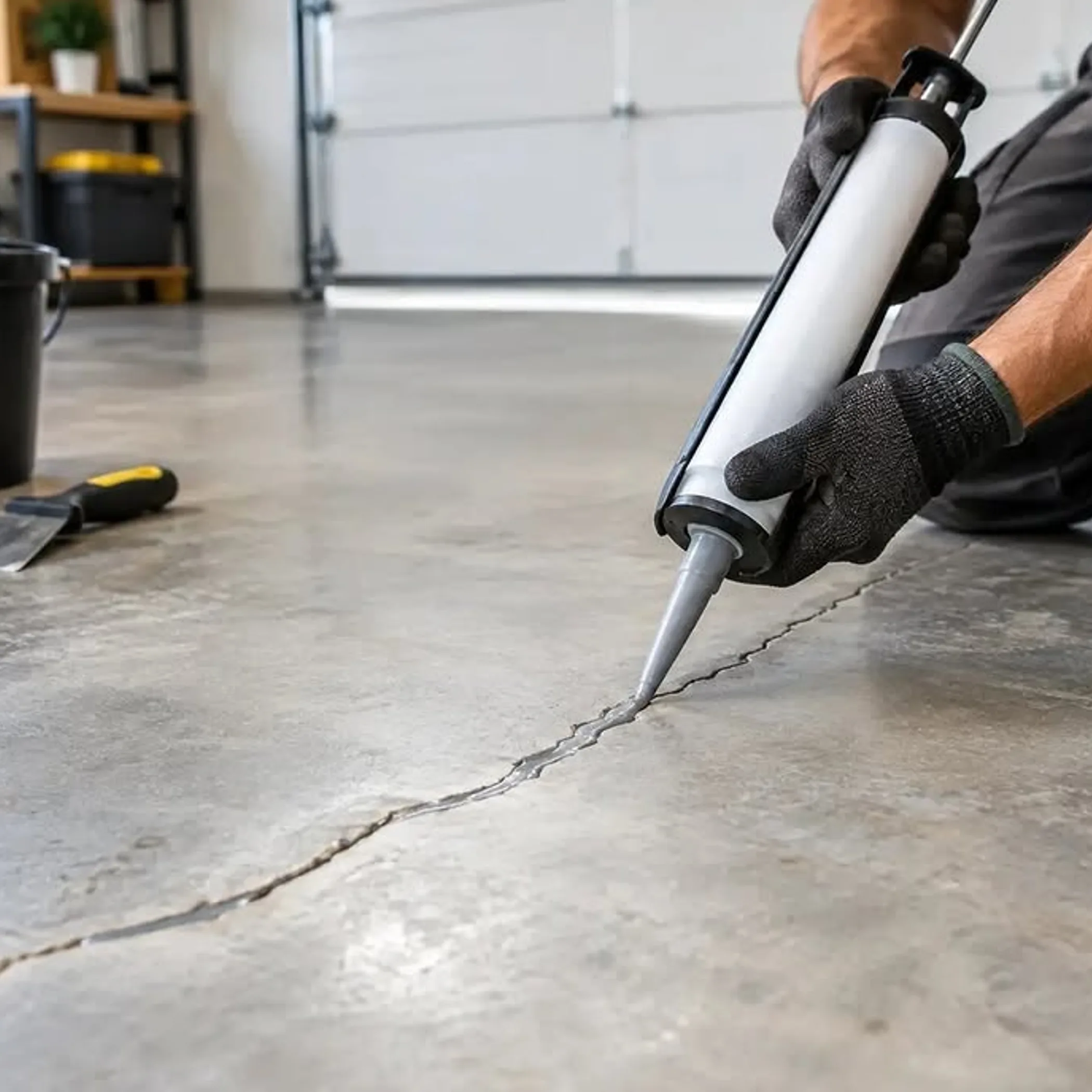
Most of good temperature management is in the preparation. The repair team ought to be familiar with the material, the structure and the forecast before the first bag is opened.
As for safety, workers’ exposure to the heat is of concern. Safe Work Australia has some pertinent guidance for the handling of heat risks in conjunction with the concrete method.
A checklist based on the weather
- Before starting, put down figures for the wind, humidity, shade, surface moisture and both ambient and substrate temperatures.
- See that the repair product’s limits for curing and working time, its gel time and how it fares with curing compounds are in order.
- Have your evaporation retarders, wet hessian, insulating blankets or whatever shade and wind breaks are needed at hand prior to mixing.
- Look over access and parking, when deliveries are due and the plan for reopening traffic to pedestrians.
- During the initial cure of the repair keep an eye on things and note any aberrations in the temperature.
Make the day fit the job
There is no point in hastening the placement if it is a one day affair; give precedence to the curing protection and preparation. Things like edge prep, crack mapping and cleaning can be done in advance of the proper window.
Structural or overhead work, where hazardous chemicals are in play or it is exposed to traffic, is not for the novice. Restoring a beam or a water-retaining structure is not akin to a cosmetic patch. Call in a qualified engineer or contractor where public access or load is an issue.
What one expects and what transpires
A dry day is thought to ensure a good cure but in fact the dry air can be the cause of cracking through evaporation.
It is easy to think a cold day will only slow you down yet the bond and strength development can suffer, as can cold joints and the ability to put traffic back on.
Stripping a surface is viewed as mere demolition. In reality an overly aggressive removal of unsound concrete can leave the reinforcement and substrate in need of more repair than was put on the books.
Surface Stripping
Moderate, stable and dry is best for this, with adequate light and ventilation to inspect and prepare safely. But the temperature is still a factor: in the sun new concrete will dry out in a hurry and in the cold shade it will stay damp.
Schedule the stripping so the surface can be properly seen to and put under protection straight after. Do not put up with wet conditions that make access treacherous or hide defects, nor strong winds to stir up dust and the kind of extreme heat that will desiccate the substrate in short order.
Preparing For What Comes Next
The point of stripping is to get at what needs mending. Once you have taken off any weak concrete or coatings, look for delamination, spalling, scaling, cracks, moisture, exposed rebar and so on. Then assess the state and depth of the substrate prior to deciding on a system, be it epoxy or mortar.
As for logistics and transport in the work area, see to those arrangements. You will want to know where equipment can be parked, how spoil is to be removed from the site, where there is safe washing for workers and the means of pedestrian movement around the exclusion zone. In the Pilbara or out in the bush one has to factor in contingencies for water, heat and communications. A long stretch of Stuart Highway may be straight enough but it will not expedite a delivery that is not there.
Frequently Asked Questions
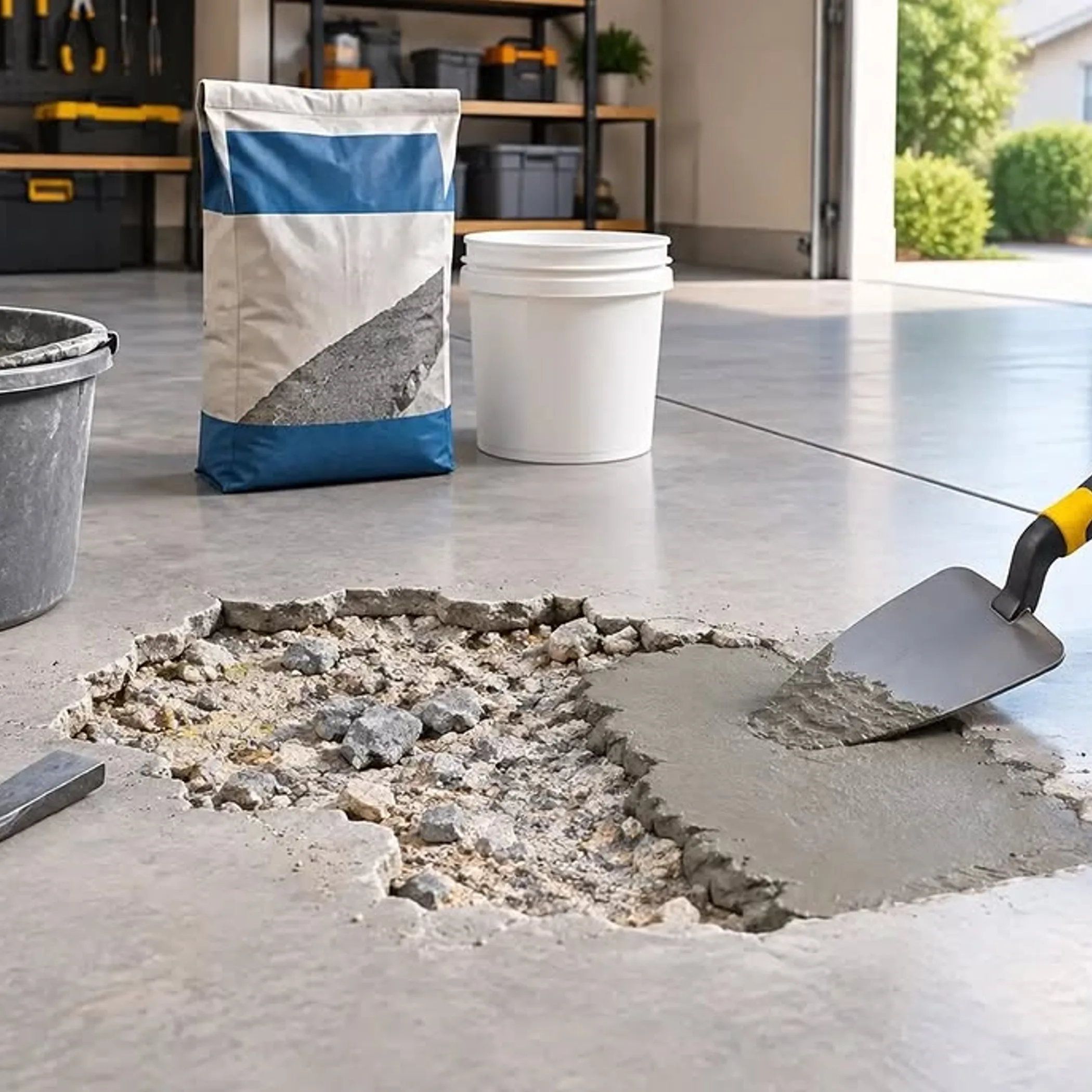
What temperature is best for concrete restoration in Australia?
For the most part, moderate and stable conditions are preferable; one wants to control the substrate temperature, have wind in check and retain sufficient moisture. But air temperature by itself does not tell the whole story, the acceptable range is a matter of product specification and the repair method approved.
Hot weather and its effect on curing and repairs?
It will hasten setting and cut your working time, as well as bring about rapid evaporation and plastic shrinkage cracking. Put in place some shade and wind control, an evaporation retarder and an approved way of curing. Make sure to begin curing without delay and do not finish any more than is needed once the surface has started to set.
Is it possible to do concrete repairs in an Australian winter?
Provided the substrate and materials are within the limits and curing is as it should be, yes. One must allow for a slower cure and keep traffic off until performance requirements are met, and the repair should be put under cover for the night.
At what point is it too cold to repair?
You will not find one figure that is safe across all projects and products. If the substrate is frozen or icy, or below the manufacturer’s minimum, hold off unless you have an approved controlled method. Temperatures should be monitored during the curing process and the repair spec consulted.
Preventing plastic shrinkage in the heat?
Shade, wind breaks and prompt curing will serve to reduce evaporation. When the forecast is for low humidity and drying winds, it is better to have your materials ready and not put down a large area to be left open; plan to work when the heat is not at its peak if you can.
When to do surface stripping?
Dry, stable and moderate is usually the way to go. The area ought to be easy to inspect and safe to get to, and you will be in a position to protect or repair the substrate right away. Steer clear of anything that will give you poor visibility, a slippery surface or put up excessive dust.
A Matter Of Temperature
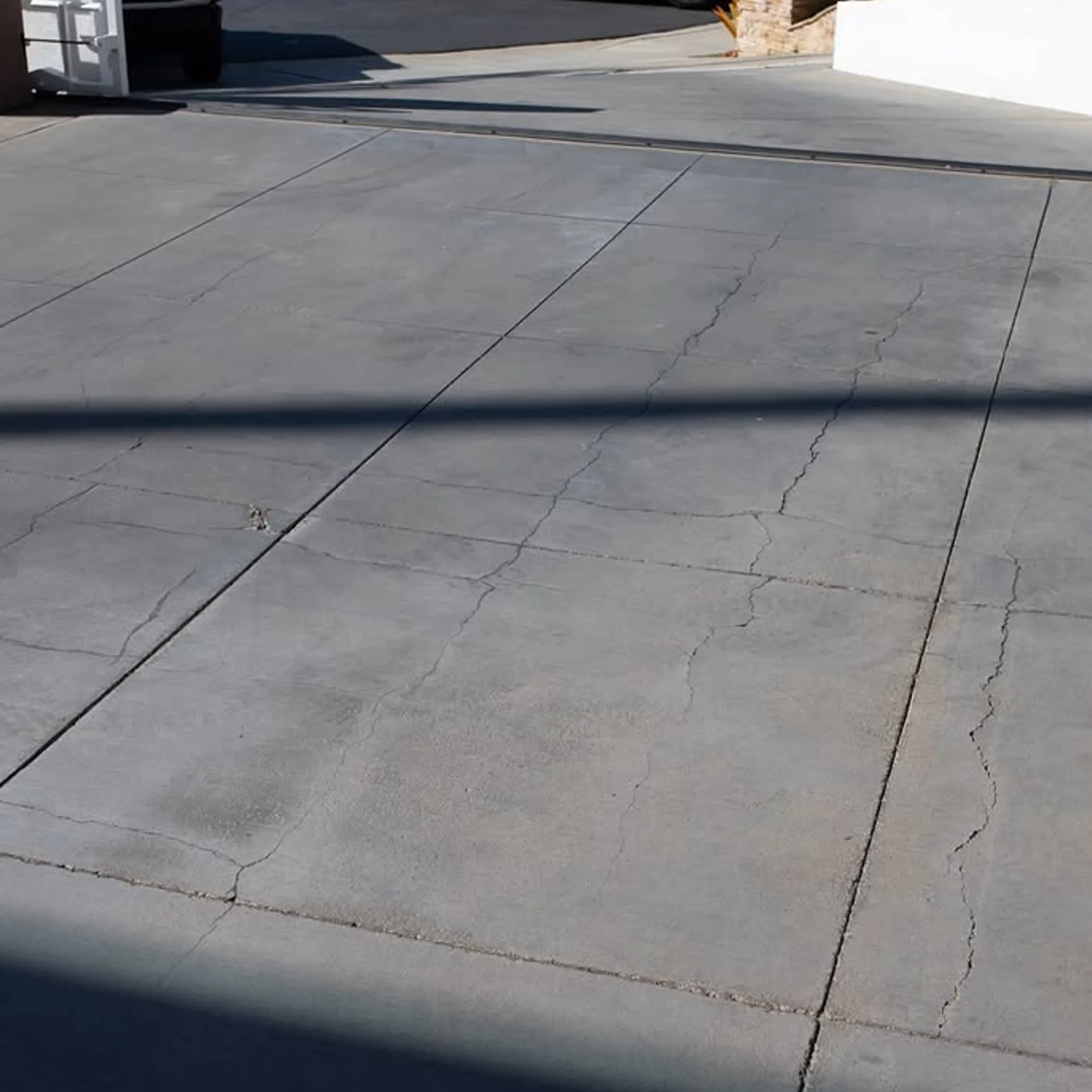
On any concrete restoration project in Australia the effects of temperature are something to be dealt with from the start and measured accordingly. Cold calls for insulation and the patience to let strength develop, hot weather for controlling evaporation.
I would put it this way: have the calendar conform to the concrete when scheduling a repair. Be sure to check the substrate and in the first few hours protect it. And make plain to all concerned what the realistic times are for access and reopening. It is cheaper in the end and far less dull than having to fix a repair on a Tuesday.