You will find the optimal time for a desert walk in Western Australia to be between May and September; in some parks you can make it into October provided the conditions are mild. In short, it is the most comfortable and safe window to be out in the WA national parks. That goes for the Pilbara, the Kimberley, the Coral Coast or any arid country inland where a summer’s heat has a way of making an otherwise fine walk a rough-as-guts affair.
Nina Corcoran will say your destination is what dictates the best time for desert walking in Western Australia, but there is a pattern. The north of WA is at its best in the dry season from May through to September. Further south and along the coast the parks remain agreeable well into spring. And it is not just the thermometer that will get you. One has to consider flash floods and whether a track is open, road access, wind, shade, how much water to put in your pack and if you have put in enough miles before 10.30 am so as not to be roasting like a chook.
Some Straightforward Timing
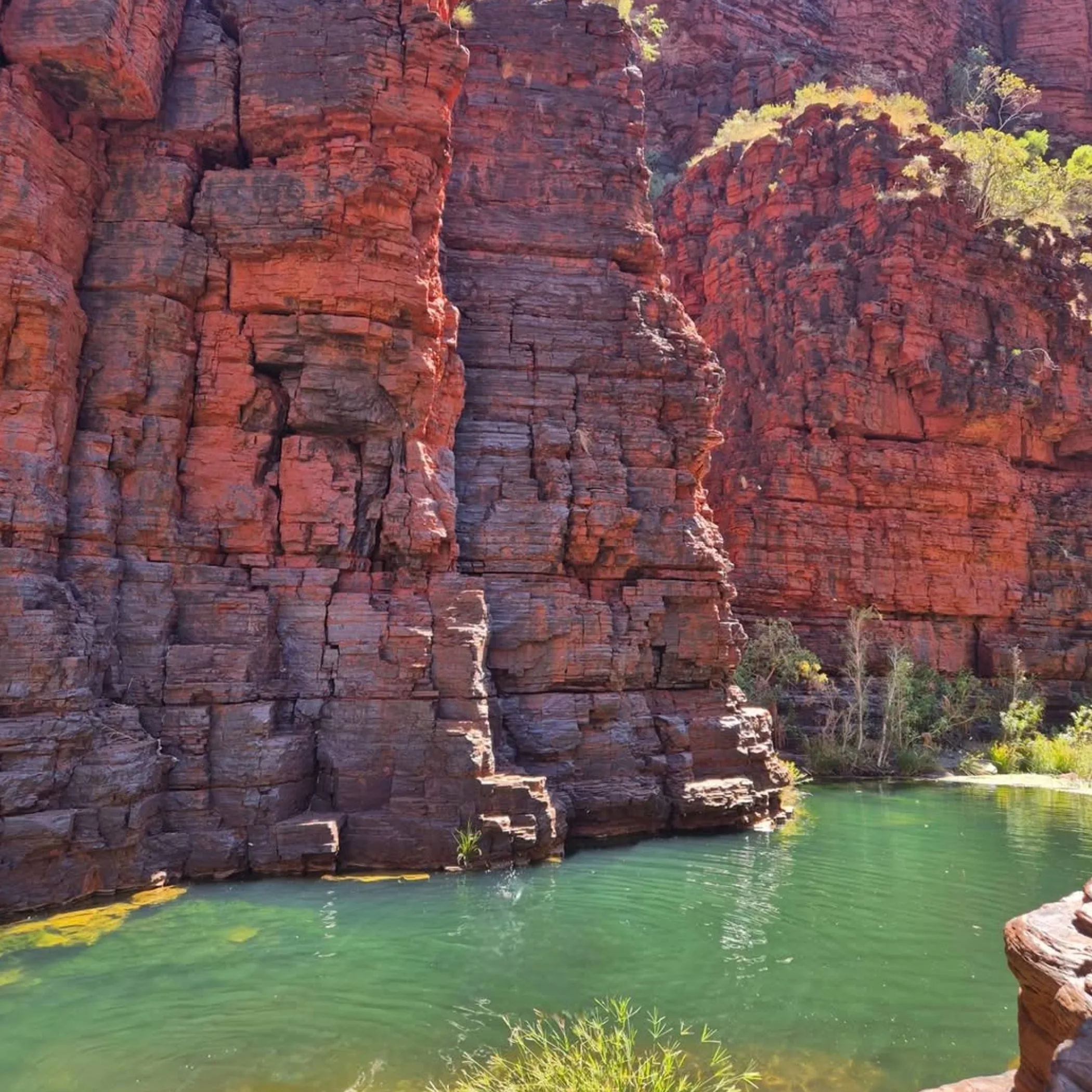
Rather than pore over a dozen or so brochures for vague advice on when to hike in the WA deserts, make it simple: go in late autumn, winter or early spring. You will be looking at 20–30°C in many northern and inland areas and better odds of actually enjoying yourself as opposed to putting up with it. Access is more to be relied upon too.
There are always exceptions. A day in the shoulder season can be very nice, then again a cold snap in the south during winter can be sharper than you would think. Yet the practical sweet spot for the majority of travellers is May to September.
The Case For May To September
Dehydration and the demands of heat safety are less of an issue, you have sensible conditions at sunrise and after the wet has passed remote tracks are more predictable. In the case of Karijini, Cape Range and Purnululu (Bungle Bungle) in the north, this is also when you can do a road trip without having a nervous word about the state of the access roads.
One might think “desert” implies it is all dry and easy to put together a plan. Not in WA. Monsoonal downpours in the northern gorge and desert country leave their mark, with track closures and flash floods that can persist into the shoulder period as the roads recover from local rainfall.
A Regional Breakdown
With the size of WA there is no one weather answer. The southern ranges, the Pilbara, the Coral Coast and the Kimberley are all different beasts, so the ideal season will vary from one park to the next. It is the difference between a good walk and one where you are left muttering at the sun by mid-morning, as Nina Corcoran would have it.
North WA
In the Kimberley and Pilbara, Purnululu and Karijini included, hikers are best off from May to September. The lower humidity and absence of flooding make for a safer and more pleasant outing. This is what most have in mind enquiring as to the Purnululu hiking season or when to make for Karijini. Put off until the wet season of late spring and summer and you are likely to contend with monsoonal instability and creek crossings you cannot make, not to mention road damage. Temperatures can be hazardous for anything other than a brief morning jaunt.
Desert Edges To The South And Coast
Stirling Range and Nambung National Park are good options from late autumn to spring. Winter affords cooler days and in spring you have the wildflowers for which the state is known.
As for Cape Range, the best of the season is autumn to spring for milder days and drier air. A summer stroll is not out of the question but it can be hard going; the exposed tracks will seem to go on longer than the map would have you believe.
Parks Of Note
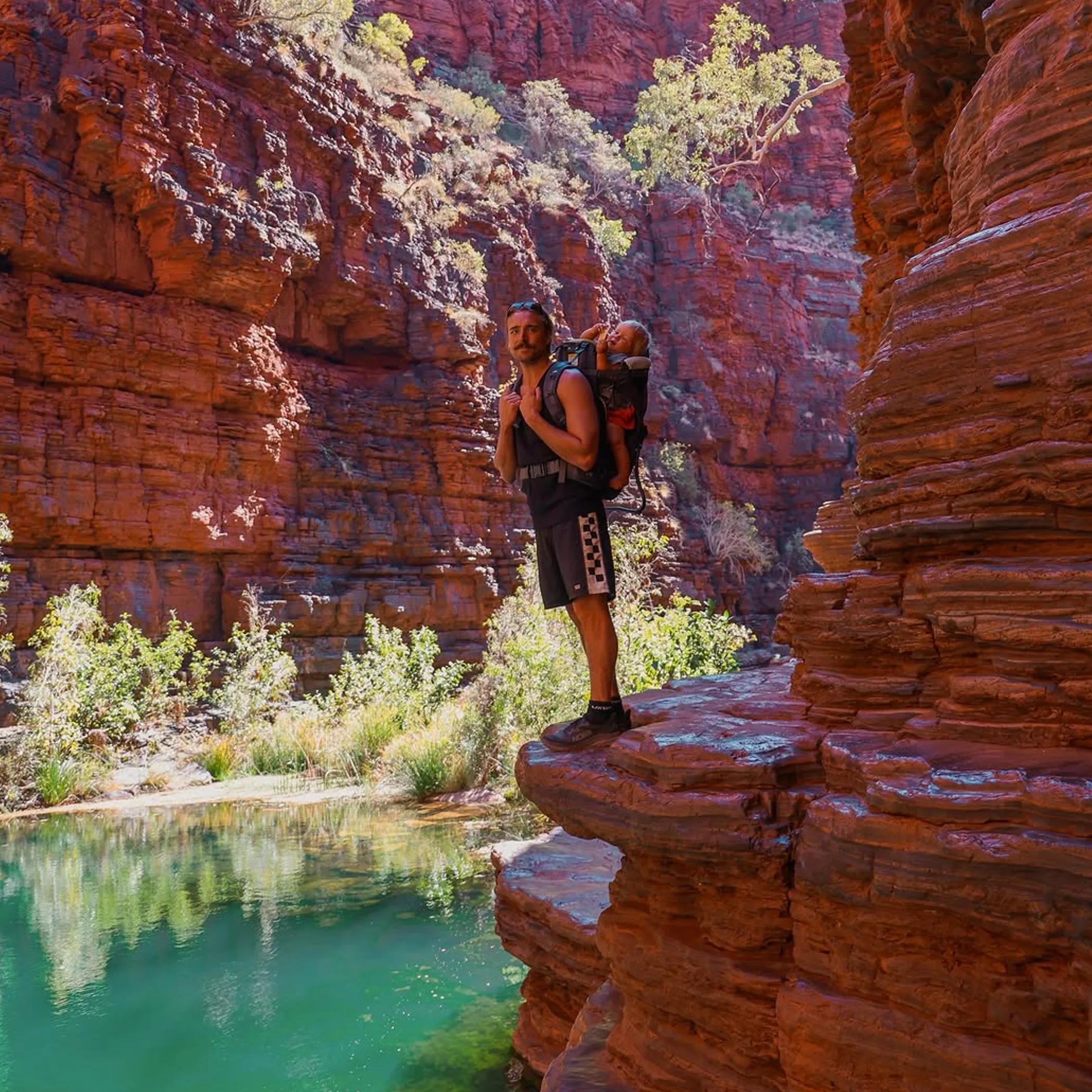
These are the ones walkers will be looking up for their spinifex country, gorges and arid landscapes and some sound timing advice. What follows is a practical way of looking at things.
One has to allow for the fact that closures and conditions will put a different spin on distances, access and difficulty; do not make your plans without heeding any current alerts. For that you should go to Explore Parks WA park alerts and access information, the official source, in particular for any Parks and Wildlife Service WA advisories from out in the more remote parts.
| Park | Ideal Walking Season | Typical Conditions | Best For | Who Should Be Cautious |
| Karijini National Park | May to September | You will find drier air and cooler mornings, making the gorges safer to get to if some routes are given due care | Gorges and lookouts, short to moderate walks for an experienced hiker | Those who do not like the heat or have to put up with ladders and rock scrambling |
| Purnululu National Park (Bungle Bungle) | May to August | The dry season brings cooler days and you can rely on the remote roads | Domes, creek-bed trails, walking in the desert | Any traveller whose fuel margins or 4WD plans are not in order |
| Cape Range National Park | April to September | Milder and sunnier than in summer, but the tracks are exposed | Day hikes in the limestone ranges, coastal desert | A walker who expects to come by water or shade easily |
| Nambung National Park | May to October | There is pleasant light and mild days, spring wildflowers in the vicinity | Photography, a family outing, short walks | Visitors in the middle of a summer day |
| Stirling Range National Park | April to November | Spring flora, cool to mild weather for walking and the odd strong wind | Elevation, longer day hikes and wildflowers | Beginners who might not give steep climbs and changes in the weather enough thought |
| John Forrest National Park | May to September | Easier day walking to be had near Perth, cooler and greener | Shorter training walks | Anyone after a real remote desert experience |
My Honest Park Picks
Nambung National Park is the obvious answer for a day out from Perth if you want something of the desert but with minimum fuss. You can put in a long day there without the commitment of an expedition to the back of beyond; parking is no trouble, the roads are sealed and a short walk can be done along with some photography. Have you read a Pinnacles hike difficulty guide? The challenge is seldom one of technical terrain so much as timing and the sun.
Then there is Karijini for the serious walker and the returns are hard to match. Not for a beginner on the sterner gorge routes however. The mistake people make is to see an accessible lookout and think all the walks are straightforward; in fact there are uneven rocks, water hazards and steep descents to contend with.
Month By Month From May To October
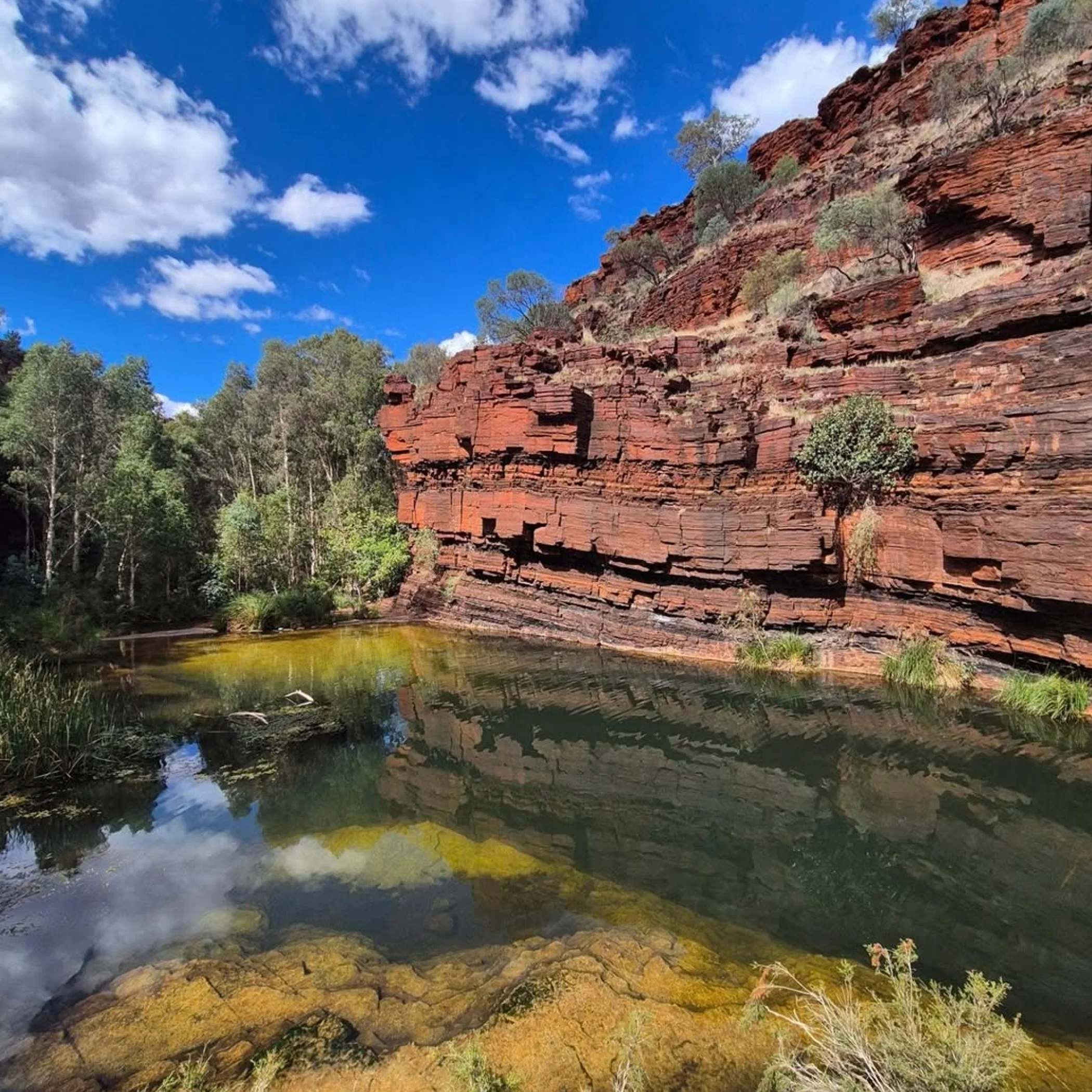
Most readers will want this section. No poetic waffle about the weather, just how it is on the ground and what it does to a day’s walking. As Nina Corcoran would say: let the report and the thermometer have the last word over your hopes.
May And June
After the worst of the heat, north and inland WA see more dependable conditions in May. June is a fine month to be hiking in the deserts of WA, the days are mild for the most part and the mornings agreeable, while road access to the remoter parks is sure to be better following post-wet repairs. You can put together an itinerary to drive, have a walk and lunch and drive on again without being wrung out. In the far north do check on local access once the wet is over.
July And August
These are peak time for a lot of travellers. With desert temperatures in the 20–30°C range a longer walk is less of an ordeal and in some places the wildflowers will start to show themselves between July and October as latitude and rainfall dictate. But you pay for the better conditions in popularity: car parks in the well known parks will be full, accommodation harder to come by and the lookouts more crowded. Book in advance for Cape Range or Karijini and be off on your sunrise hike before the rest have had their first coffee.
September And October
Many a WA park is at its best in September, not least for the wildflowers. There is a softness to the desert-edge country in the southern and mid-west that is absent in the more trying months. October is not so clear cut. It remains good in the south but in the northern deserts things get hotter and more tiring. Fine for a short walk but unless you are prepared and very early I would not recommend anything too ambitious and exposed.
Safety That Matters Out There
In Western Australia it is not some dramatic extra when it comes to safety in the desert, it is everything. Underestimating the remoteness or a track under the full sun, bad timing and dehydration are the principal dangers.
One is prone to the error of “It is but a few kilometres”, I have been guilty of it. But in the bush, which has a way of putting one’s optimism in its place, a couple of exposed kilometres with no breeze or shade and footing you cannot trust will seem to double in length.
What Catches People Out
The first thing to catch people out is being too late off the mark. Make an early start on sunrise hikes if you can, in places like Cape Range and Nambung parks where there is little cover. Then there is the matter of water; for day walks in warm, open country 3–4 litres an adult should be on with for the day as a rule of thumb, more so when conditions are hard or you are in some truly remote part of the country where delays are a possibility.
And do not count on your phone to get you out of trouble, that is another trap. In Purnululu or the more out of the way corners of Karijini it is your preparation for the trail that counts, not what the battery reads. Be honest with yourself about your fitness, put in a call to let someone know where you are headed and when you will be back. See to it that you have checked any Parks and Wildlife Service WA alerts and road access while you still have reception.
On exposed tracks set out at sunrise or as soon as is practical.
Put on light long sleeves, a broad-brim and something sturdy for your feet.
Have 3–4 litres of water per person for the walk and some in reserve in the car.
For remote parks and 4WD routes make allowances in your plan for fuel, tyres and the odd emergency.
Costs And Logistics
You will not find remote WA to be cheap once you put in the figures for accommodation and fuel, though rough costs will depend on the region. The Pilbara and Kimberley see higher fuel expenditure over long hauls and there are national park fees to factor in. A trip to Karijini or Purnululu is a multi-day expense, from a budget point of view, whereas Nambung and John Forrest are kinder to the wallet coming from Perth.
Self-drive is the order of the day. With some forethought you can put Karijini on the map by road, but Purnululu is better left to a 4WD in good order and proper preparation. Cape Range is as simple as it gets in WA, Exmouth being the base of operations. Get in early for parking before the day trippers arrive and the flies begin to act as though they are paying their keep.
Wildflowers, Light And Wildlife
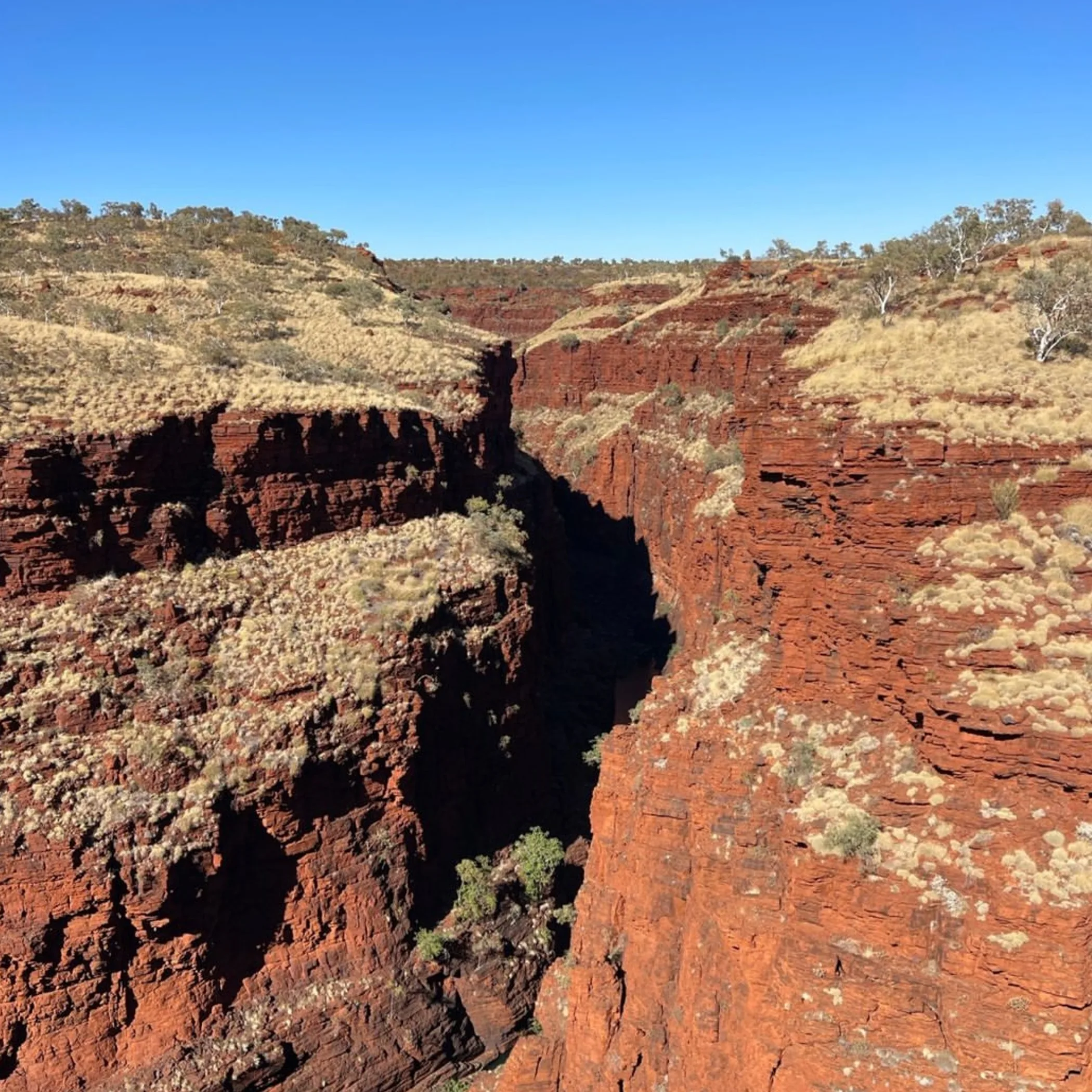
There is more to seasonality than evading the heat; it dictates the character of the walk, be it stark or full of life, and how much time you can put in.
For the photographer, the wildflower season in Western Australia from July to October and the softer winter light make for the best desert walks. You are left with less of a heat-shimmer problem come mid-morning and the air is cleaner.
In spring the southern and mid-west parks have a way of disabusing anyone who has an image of WA as nothing but beige and flat. From July to October the bloom will add texture to the scrub and dune edges. Up north in the dry winter months you will have easier sightlines through the spinifex and gorges under clearer skies.
Wildlife is seasonal too. A dawn walk in the cooler months is more agreeable and you may well spot birds and other animal life. That said, even in the shoulder months rain can change things in a hurry in remote terrain.
When To Give It A Miss
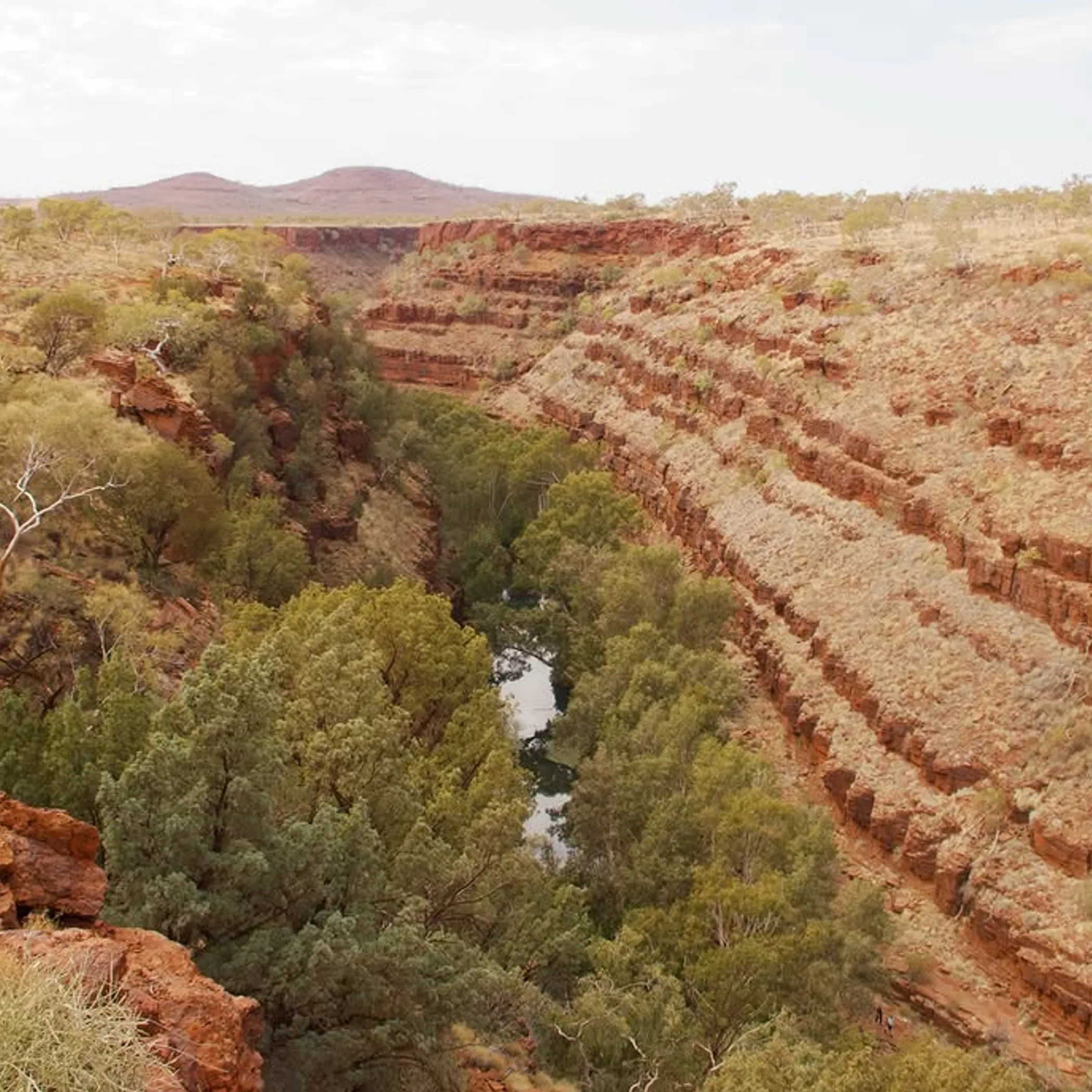
Most would say to forgo the summer hikes in WA, particularly the exposed inland and desert ones. It is not that you will not see others, but the risk is not worth it. Further north the monsoons of the wet season mean closed roads and flooded crossings in the gorges. Down south or inland the heat and lack of shade, to say nothing of bushfire danger, will have put an end to the day by morning tea.
Months That Need Extra Caution
November to March is when the desert is less forgiving. January and February are bad choices for any protracted hiking on the open. All too often people see the map and think it is doable and then have to contend with heat stress or a vehicle giving up. They are wrong to put all their stock in the maximum temperature. When the mercury is at 33°C and there is no respite from the windless air or shade, with hot rock underfoot and heat to reflect off it, conditions will be more trying than the figure implies. Throw in a late start, some fatigue and flies and what was meant to be an enjoyable outing becomes tedious in short order.
Practical Planning Before You Go
You will find that planning is what separates a sound WA desert walk from a daft one. It is not as glamorous as deciding on a bakery for a stop but of far greater utility.
While Tourism Western Australia may put some seasonal ideas in your head, any decision on a route should be made on the basis of official park alerts, road access, weather and your own ability to handle it. In remote parks local conditions are paramount.
A Simple Pre-Trip Checklist
It is better to run through this the night before than once you have left the servo; it will spare you a good deal of grief.
Make use of Explore Parks WA to see what the situation is with access and any closures.
Verify the weather, in particular any rain that could complicate creek crossings and the state of the wind and heat.
Be clear on your parking and access point and if you will be backtracking the same way.
Have a paper copy of the important details at hand as well as water, first-aid essentials and salty provisions.
And make sure someone knows where you are headed and when you will be back, Karijini or Purnululu being cases in point.
For a single day out of Perth Nambung or John Forrest are worth prioritising, or a brief early part of Cape Range if you are put up in Exmouth. Newcomers to walking in exposed country would do well to steer clear of long unshaded routes or the gorges that require a commitment. To get a sense of what to expect of WA walking in general, one might consult a Pinnacles hike difficulty guide for a technical take on track grading along the coast.
Frequently Asked Questions
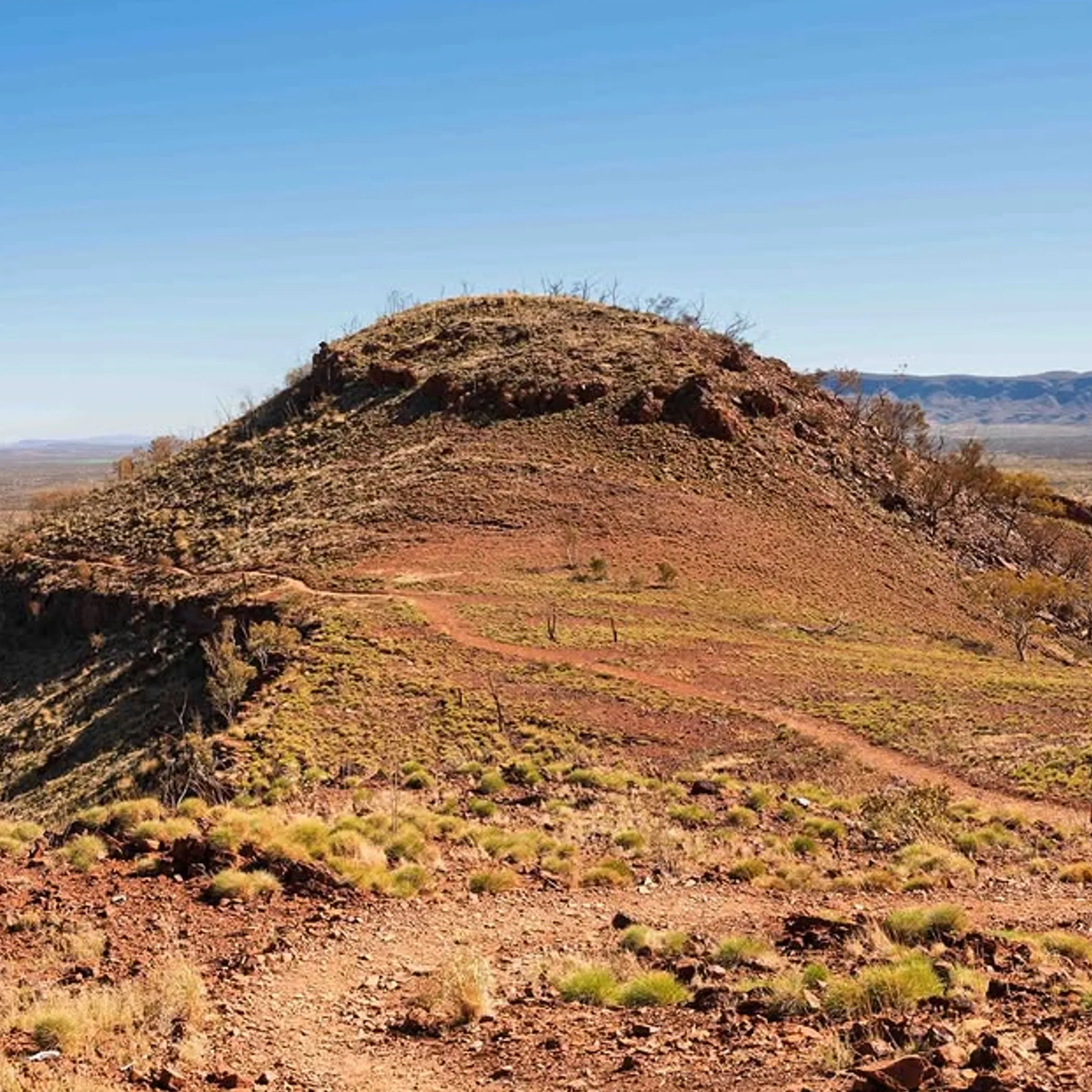
One does not have to look hard for the questions people ask; timing in WA can be counterintuitive, particularly for those coming from overseas or cooler climes of Australia.
What Is The Best Season To Visit Western Australia?
In terms of the national parks and desert walks, you are best off in the latter part of autumn through to early spring, May to September being the most dependable time for cooler temperatures and less heat stress, and for access in the northern and inland parts of the state.
Which National Park In Western Australia Is Considered The Best?
There is no “best” by any official measure, it is a matter of preference. Karijini National Park has a way of standing out for the drama of its walks. For coastal desert one goes to Cape Range National Park. Then there is Purnululu (Bungle Bungle) which is extraordinary so long as you have made the proper preparations for the remoteness.
What Is The Wettest Month In Western Australia?
Not a question with a simple answer given the climate zones in the state. Summer brings the wet season to the north and with it the monsoonal rain and flash floods that are apt to put paid to your plans and close the tracks.
What Is The Best Month To Go Hiking?
August is an excellent bet for desert walking in WA as a rule; you will often find mildness and access and even some wildflowers in places. But the wiser plan is to aim for the June to September period.
Are Desert Walks In WA Suitable For Beginners?
Some yes, others no. A beginner in mild weather will be fine with a short walk in Nambung or John Forrest but the remote side of Purnululu and some of Karijini call for careful footing and a higher level of fitness. Do not be misled by distance into thinking an exposed stretch of WA is easy.
The Takeaway Worth Remembering
Should you retain only one thing, let it be that the cooler months, say May to September, are when to do your desert walks in Western Australia, and some of the southern and coastal parks will be very agreeable in October. You will be more comfortable and in safer company and have a better shot at appreciating the national parks rather than having them ruined by poor planning or the heat.
Nina Corcoran puts it more succinctly: in the cooler months go, and go early, and take more water than you think you need. Do not let a neat map lead you to believe the bush will be equally so.