One does not need to be an expert to see that chemical roof treatment safety in Australia is more than a case of putting the right product in a sprayer and making quick work of it. Put simply, when you are applying chemicals to a roof here, fall risks have to be managed, the SDS read, the appropriate PPE put on and rainwater or stormwater protected, all in accordance with what the manufacturer and present work health and environmental regulations dictate.
I am Nina Corcoran. From my experience with practical guides I can tell you the neat brochure will omit the part that counts. Roof treatments may do a fine job of getting at lichen and algae but the bottle is seldom where people get into trouble. More often it is the pitch underfoot, overspray on a neighbour’s camellias, a tank left in place or the notion that “soft wash” is of no consequence. It is not.
Who this is for
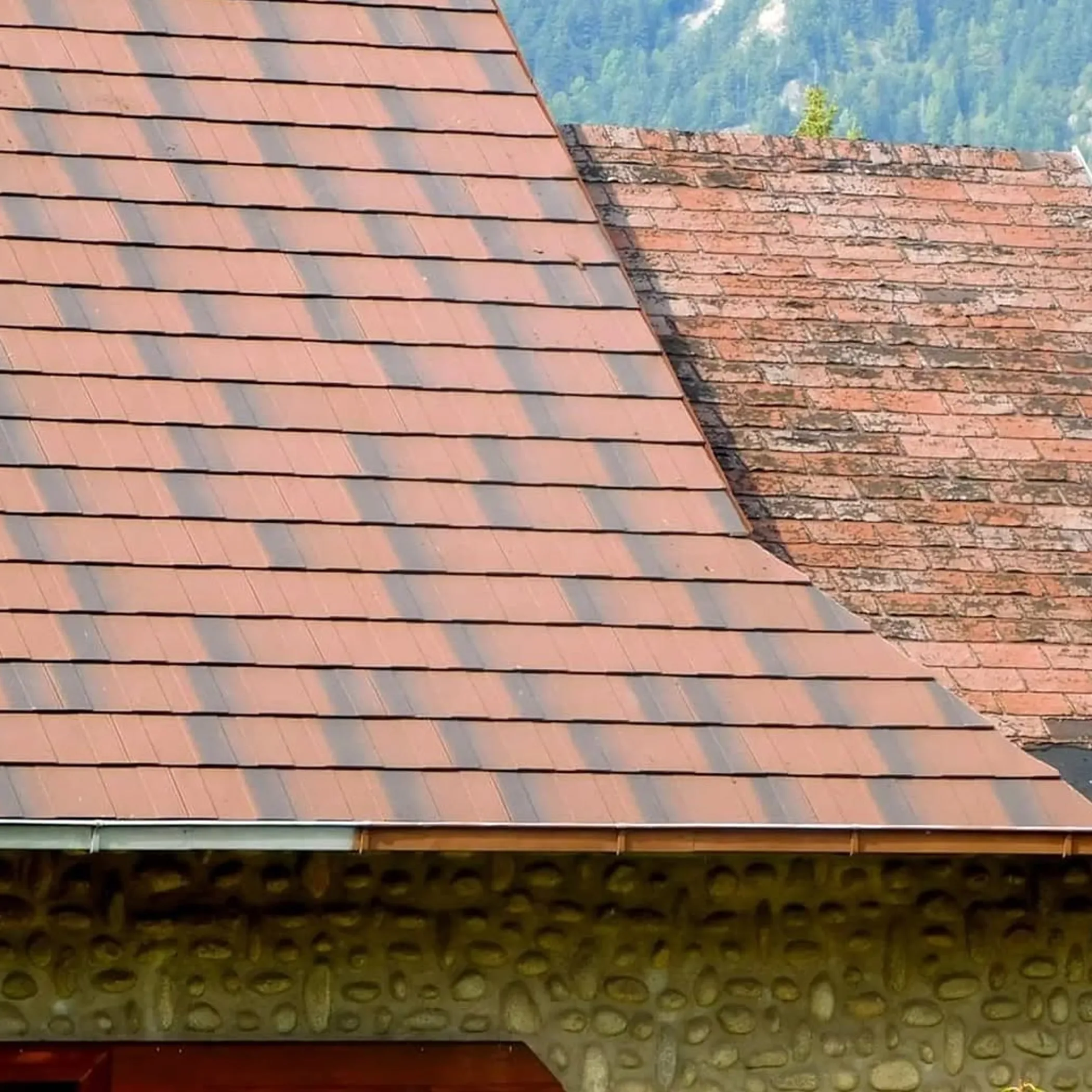
Homeowners, property managers, sole traders and roof cleaners in Australia who want to operate within the law and do things safely will find this of use. There is value in a straight-talking checklist before anyone puts in an appearance at the ridge line, or for those deciding between a DIY approach and calling in a pro.
Then there is the one who has put in time with three or four videos that contradict each other and is left to ponder if pressure cleaning, biocide or bleach is the way to go. Considering various moss treatment methods for roofs can help determine the best approach. As a rule, the less showy and more methodical option is the safer one.
What this advice covers
You will find it applicable to tiled and metal roofs such as Colorbond on a typical residential site where chemical products are brought to bear on moss or lichen. We deal with soft wash roof cleaning Australia style, runoff and the divide between the sort of routine cleaning and something more hazardous like work on fragile roofing or where asbestos is suspected.
But a steep, damaged or brittle roof, one that is above a single storey or in the vicinity of powerlines or possible asbestos is not for beginners. At that point “I’ll be careful” is no plan at all, it is rough as guts risk management.
The rules of the road
Get the legalities in order before a hose is hauled up a ladder or any solution mixed. Work on a roof in Australia brings with it duties in the way of work health and safety, handling of hazardous chemicals and environmental protection, to say nothing of local water and waste controls.
Falls are an obvious problem area in maintenance and construction and a prime source of death and serious injury. Safe Work Australia has it on record that falls from heights account for the majority of traumatic workplace fatalities; it is not some optional bit of admin. Have a look at their guidance on the matter: Safe Work Australia guidance on falls from heights.
How it plays out in Australia
A householder’s duty is to engage competent contractors and not put in the way of risky shortcuts. A business or trade has wider obligations under WorkSafe Australia when it comes to roof cleaning: from training and supervision to the selection of equipment and dealing with spills.
Do not overlook the EPA and state regulators either. Runoff from roof treatments can make its way into waterways and soil. There is a tendency to think that once the product is off the roof and diluted it is safe, which is a mistake in most cases.
Inspect the site
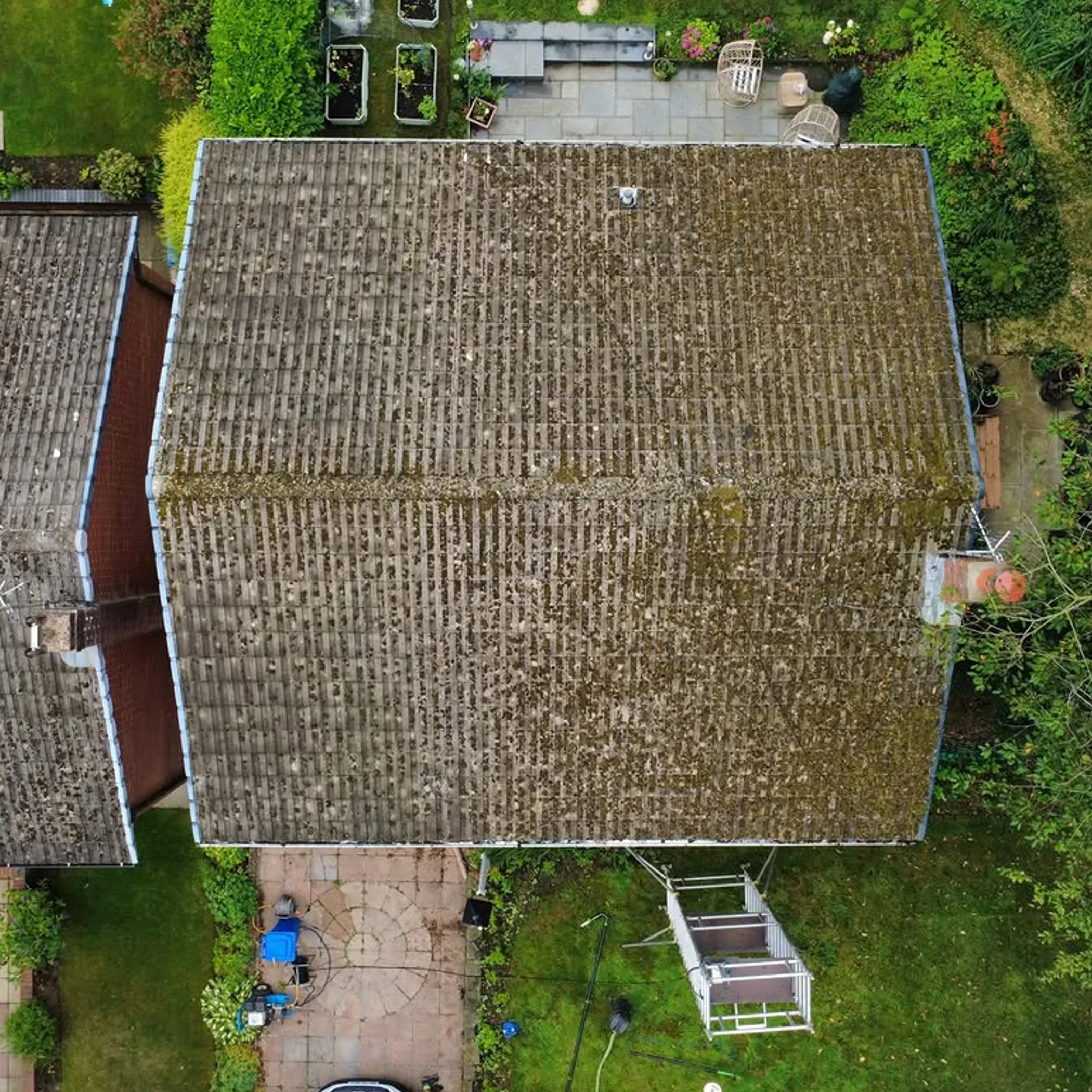
Any sensible pre-start inspection will head off half the usual problems. Take stock of the weather, the roof, how you are going to access it, the drainage and any electrical hazards or tank plumbing before you start.
I would put in 25 minutes to check my access rather than five and end up sliding to a gutter with a pump pack in hand. Most errors are made well before the first spray.
To start off, run through the following:
- Make sure you know the condition and age of the roof, down to any loose tiles or skylights.
- Look at the height and pitch and the stability of the ladder to determine if fall protection is called for.
- Find the downpipes and make the rainwater tank is disconnected.
- For the sake of managing runoff, note the location of any ponds, garden beds, stormwater pits or areas of concern to a neighbour.
- If the forecast is for extreme heat, lightning or high wind, put it off.
- And for every product and dilution rate, have the label and SDS to hand. First thing is to be certain the roof does not have asbestos in it. Should there be any doubt, put a halt to proceedings and seek out a specialist for guidance on safety with regard to cleaning an asbestos roof.
Expectation Vs Reality
The expectation is of a two-hour spray down. The reality is that an unassuming house will see half a day go by in the doing of it once you factor in setup, tank isolation, chemical mixing, control of access and plant, dwell time and then the cleanup. Throw in some wind or difficult access and you are looking at even more time.
When conditions are marginal and you are working to a single day, make inspection and setup your priority and confine yourself to the section you can get to most safely. Do not be tempted to rush the chemical treatment in the late afternoon on the grounds of “we are here already”, that is where one makes a habit of cutting corners.
Wear The Right Gear
Do not mistake PPE for a costume when it comes to roof cleaning. It is what stands between your eyes, lungs and skin and the overspray, mist and contaminated runoff. Some will overdo the wrong equipment or neglect the fundamentals. A dust mask from the cheap end of the market is no substitute for respiratory protection fit for chemicals.
Respiratory And Skin Protection
Your protective equipment has to be commensurate with the task and product. As a rule you will want chemical-resistant gloves, clothing and boots with grip, eye protection and, if the SDS shows an inhalation risk, a respirator system that is AS/NZS 1716 compliant with the right cartridge. While AS/NZS 1716 is the standard for respiratory devices, you still need to select and fit them to the exposure and the chemical.
With hazardous chemicals, the eyes are an area of vulnerability. A change in the wind or rebound off a tile will put droplets in places you did not count on. And those with glasses should not think they are wearing splash goggles; it is a common enough oversight.
Stop Falls Before Chemicals
Chemical hazards are one thing but on most roofs the fall is the life-threatening risk. Uneven ground, wet overspray and biological growth can make a routine clean turn into an incident in short order.
There is talk of soft washing as opposed to high pressure in terms of roof care, but it is also about control and traction. High pressure is liable to create a larger splash zone and undermine your footing as well as damage the surface.
Controls That Are Of Consequence
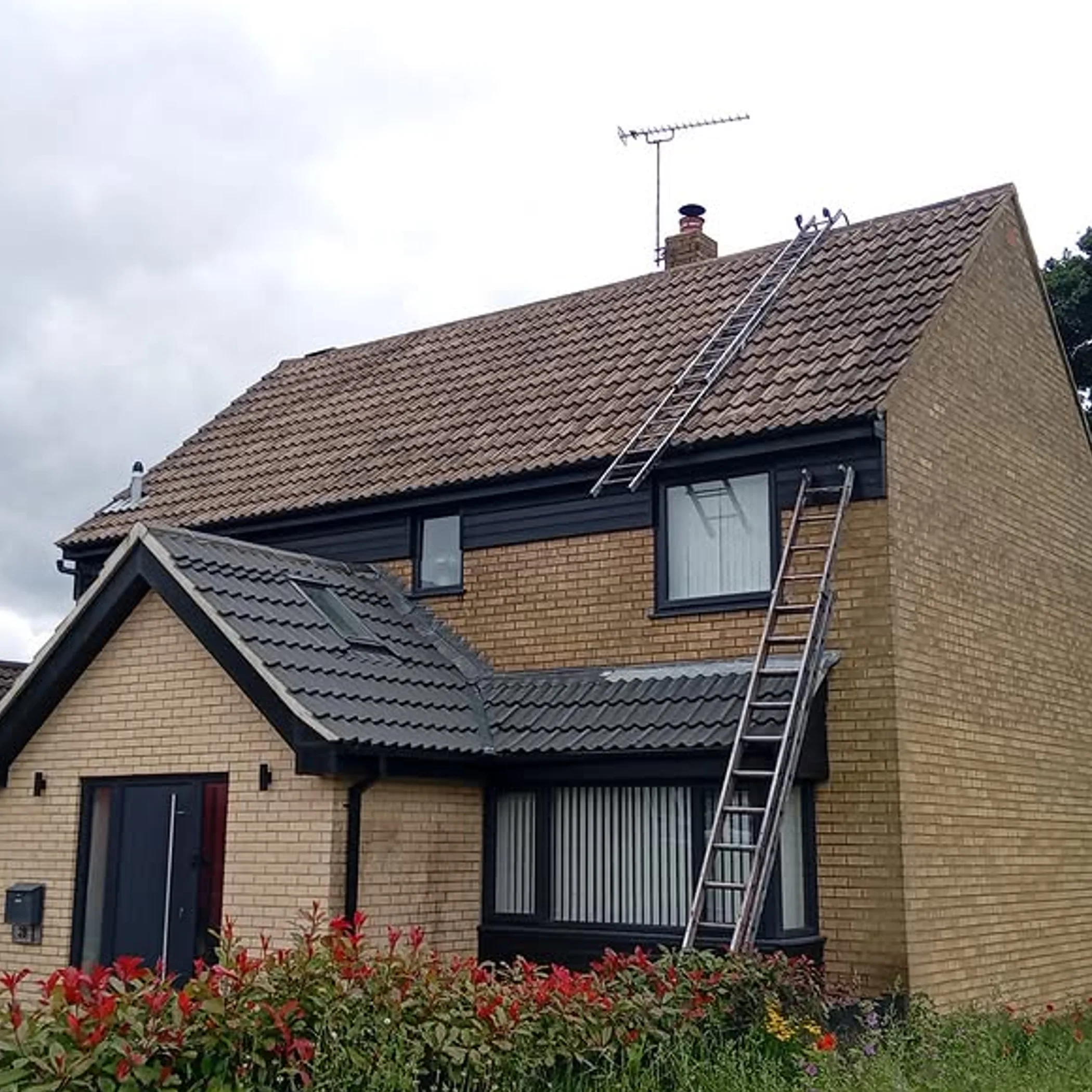
One way to be safe at heights is to not spend more time on the roof than is needed. In some instances it is better to use extension tools from a firm position or an elevated work platform rather than cover the entire surface on foot. A harness is not going to do much good without the competence, a rescue plan and an anchor system to back it up.
Then there are the usual problem areas: lichen that is damp, broken tiles, skylights and the like. If it is all too slick, stop. You do not want to end up in a helicopter for a bit of moss.
Be Selective With Your Chemicals
It is not just the product but its suitability for the environment, the contamination and the roof itself. A biocide might put an end to the algae and moss yet not every formulation is appropriate for every roof and some call for more stringent runoff controls. One will find products such as Bio-Shield and 30 Seconds Roof Treatment talked about in the market, and Bunnings is where some will source their accessories and chemicals. We would not call that a recommendation. What is safe is dictated by the label, the SDS and the setting.
The SDS Will Tell You More Than The Label
What you read on the front is the abridged version. The safety data sheet has the awkward truth of it, with details on spill procedures, first aid, storage and PPE.
People will mix it stronger under the assumption that faster is better, which is a mistake. You run the risk of fume exposure and harming the plant for no better outcome. When it comes to treating roof moss, lower pressure and proper dilution are to be preferred over an aggressive approach.
Mind The Water And Gardens
For the Australian home, what runs off the roof is likely to be in the stormwater or rainwater tank, so protecting the property and environment is as much a part of the job as the cleaning.
If you were to put a notice on the ladder it should be to disconnect the rainwater tank prior to any roof treatment. Not after you have done the first part, before.
Precautions For The Tank And Runoff
Isolate the downpipes and divert or disconnect the inlets to the tank and leave them that way until the manufacturer’s flushing or weathering period is over. Adhere to the label and SDS in this respect. Where drinking water is in the equation, err on the side of caution.
One should not overlook stormwater protection. Where the label of a product allows, put a cover on any delicate shrubbery and pre-wet sensitive plants; be sure to contain overspray and keep concentrated discharge out of drains or pits. Off-site damage from environmental runoff is a possibility with roof treatments and will as a rule cost more to put right than the cleaning did in the first place.
| Risk Area | What Often Goes Wrong | Safer Control |
| Rainwater Tanks | Spraying while tank is connected | Follow the label to reconnect; isolate inflow and divert the initial runoff |
| Plants And Lawns | Foliage is burned by overspray | Pre-wet and shield what is sensitive, and if the label is permissive, rinse off any contact at once |
| Stormwater | Gutter pits receive chemical runoff | Manage it, capture or block where practical and within the law |
| Roof Surface | Coating or pointing is compromised by pressure | Use soft wash roof cleaning Australia methods are called for |
| Worker Exposure | No eye protection or an unsuitable mask | Personal protective equipment in line with the SDS is mandatory, respirator AS/NZS 1716 systems included |
| Asbestos Risk | An old roof is given standard treatment | Cease work and get specialist input on safety for asbestos roof cleaning |
A Note on Application
There is a certain tedium to a safe application, which is no small thing. One does not want to see cowboy energy when treating a roof.
In the case of most modern roofs, the high pressure approach of blasting away is best left in favour of soft wash roof cleaning Australia techniques. They are kinder to the surface, give better dwell time and make footing and splash easier to handle, all of which is good for moss treatment roof safety.
Roof Type And Method
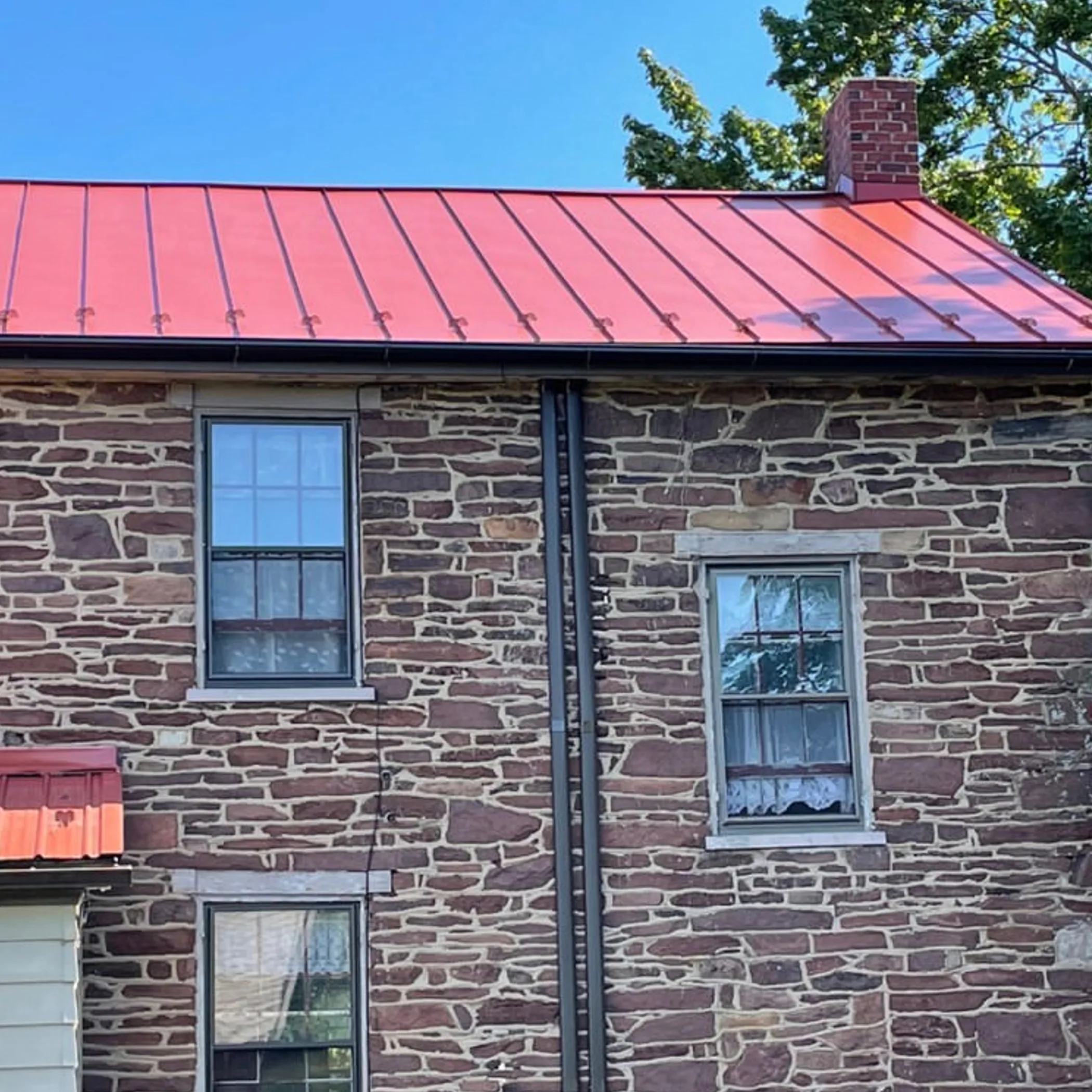
With Colorbond and like metal roofs you have to be more circumspect since abrasion or hard chemistry can mar the finish. The question of what to use on a Colorbond roof has a straightforward answer: stick to what the manufacturer and label deem fit for coated metal, and do not put together ad hoc mixtures. Do not suppose that because it works on concrete tile it is acceptable for metal.
Tiled roofs are another matter; growth in the porous areas and pointing lines is often better dealt with by way of a low-pressure chemical application and sufficient dwell time rather than high pressure. With lichen and algae one must accept that some dead growth may call for a gentle clean up later, cosmetic perfection being unrealistic in the moment.
Access, Timing And Setup
Do not skimp on time for the logistics of an average suburban job, be it parking, running hoses, setting up the ladder or putting things away afterwards. A steep driveway or narrow side access will mean the setup is longer than the actual work. It is unglamorous but the difference between a safe job and one that is not.
When engaging a contractor, put to him how he handles tank isolation, runoff and the rest. If he is vague, look elsewhere. You will find a competent operator can lay out his method without having to resort to the fluff in a brochure.
Emergencies
Some plan for contingencies is needed on any job, no matter how well run. Be ready for a spill, a slip, bad weather or inhalation before you start.
It is remarkable how organised people can be over the purchase of product and yet how casual they are about the prospect of things going awry. That is the wrong way round.
Dealing with Spills and Disposal
Have a phone and first-aid details from the SDS at hand along with water for decontamination. Containment of a spill has to be commensurate with the site and the amount of product involved. Even a small domestic job warrants absorbent materials, a disposal plan for any waste and the lawful isolation of drains.
Leaving concentrated residue in the gutter after a quick hose down is not good enough. Any disposal is to be in accordance with the SDS and local council rules as well as EPA guidance. Where a worker presents with symptoms from an exposure, first-aid should be put in place at once and one should not hesitate to ring emergency services or the Poisons Information Centre.
- Put a stop to work and make sure the area is secure.
- Have a look for any injury or signs of chemical splash and inhalation.
- The SDS will have first-aid instructions to see you through, including how to go about rinsing eyes or skin on the affected part.
- Spills are to be kept from tank inlets and stormwater drains.
- Should there be a workplace incident, report it and then look into what went wrong with the controls before resuming.
Common Questions
The sort of questions that get asked when one is up on the ladder and feeling more confident than is wise. It is preferable to have them answered now instead of part way up the roof.
Australian Standards For Roof Safety?
You will not find a catch-all rule for roof safety wrapped up neatly. What one encounters in Australia is a combination of fall prevention and work health and safety obligations, controls on hazardous chemicals, access and respiratory standards where they pertain, and equipment that is fit for the job. A good place to begin for what is current is with your state or territory regulator and Safe Work Australia.
Roof Flashings?
For the most part flashings are a building and installation concern, not something dictated by chemical-treatment. When it comes to treatment, do not be unduly aggressive with pressure or corrosive chemistry, nor let careless foot traffic see them damaged. A flashing that is rusted or not well sealed is a roof problem to be fixed prior to any spraying, not something to cover over and make the best of.
Cleaning A Colorbond Roof?
Stick to products made for coated metal roofs and adhere to the label and SDS. There is no need for unverified concoctions or an abrasive approach. One can do worse than a low-pressure rinse and treatment that is compatible and will not strip the finish or hasten its age.
The Best Lichen Killer?
None that will suit every Australian roof. You have to judge the right product by the material of the roof, the extent of the growth, compatibility with the manufacturer and any water capture systems or plants in the vicinity. Sure, some of the lichen and moss products on the market will do the job but you would be better served to give weight to runoff control and suitability rather than a striking before-and-after picture.
DIY Asbestos Roof Cleaning?
Only if you are certain there is no asbestos. It is a specialist field since the fibres are hazardous once the surface is disturbed. If in doubt, put down the tools, no pressure cleaning or abrasives, and seek out a licensed professional in line with the regulations of your state or territory.
Nina’s Final Word
Consider this: in a roof treatment job done safely, fumes, falls and runoff are dealt with as a whole and not as afterthoughts. In Australia we are more methodical than heroic about roof cleaning safety. So check the weather, the roof and the SDS, and be careful with the chemistry. Do not make it up as you go along.
A well presented job of maintenance may seem as flat as a pancake but that is not reality. The ladders have a wobble, the gutters are in the way, mozzies come out at the worst time and you miss the obvious. Be deliberate and keep abreast of the official line. And if the risk of the roof or the chemicals is too much, put in a call to someone with the proper qualifications.