You have a practical question on your hands when the ceiling is wet with drips, the gutters are running over or the roof is in worse shape than you would like. Roof Plumber Vs Roofer Australia is the issue at hand. The answer is straightforward: for any metal-roof leak, downpipes, stormwater connections and the like, put in a call to a licensed roof plumber. If it is tiles, ridge caps, a restoration or a full replacement, a roofer is the one to engage.
Then again, the two trades do overlap and there is no reason for confusion. A roofer will put right a flashing problem and a roof plumber can attend to a leak about a metal sheet. It is a matter of which material requires work and how the water gets on and off the roof. I am Nina Corcoran and my aim with these Australian guides is to be of some use to those who want to put an end to a problem in the proper way instead of wasting a Saturday with a bucket in hand.
Differences Between A Roof Plumber And Roofer
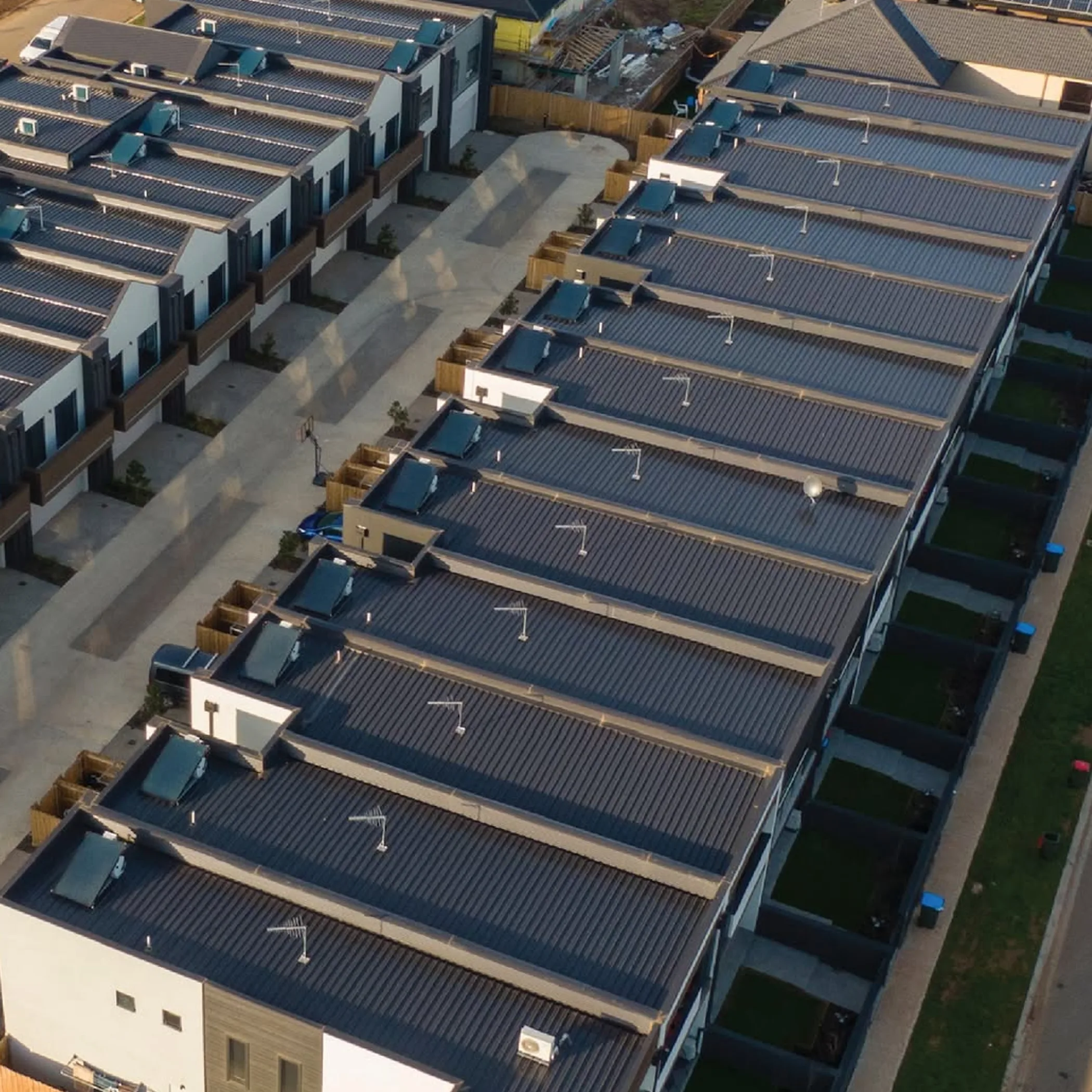
It is the focus of the trade that sets them apart. The roof plumber is concerned with the controlled flow of rainwater from and across the building; the roofer with the installation and repair of the covering itself. For expert roof drainage services, a roof plumber is the appropriate specialist.
They are both bound by the NCC and Australian Building Codes pertinent to their job and should have sound safety practices when working at height. One should look at the licence, insurance and experience rather than the lettering on the van.
A Quick Comparison
| Task or problem | First port of call | Rationale |
|---|---|---|
| Leaking downpipes, blocked gutters | Roof plumber | Their speciality is rainwater control and roof drainage. |
| Broken or loose tiles | Roofer | They deal with the coverings and tile roofing. |
| Box gutter leak | Roof plumber | You need someone with the knowledge of falls, outlets and waterproofing. |
| Ridge caps missing | Roofer | Part of the weatherproofing and roof covering. |
| Put in new downpipes and gutters | Roof plumber | To size and connect the drainage components. |
| Replace the whole roof | Roofer/contractor | This is the main roof covering we are talking about. |
Do the numbers and you will see why drainage is best left to a specialist. Allow for losses and a millimetre of rain on a square metre of roof is roughly a litre of water. On a 100 sq m roof with 20 mm of rain, you are looking at 2,000 litres being shed. An undersized downpipe has no hope of handling that and will give way at the first weak point.
The Role Of The Roof Plumber
To put it plainly, a roof plumber is there to install and maintain the systems that collect and get rid of the rainwater. Think of the gutters, flashings, valleys, downpipes, penetrations and the links to the stormwater system. While they often put in metal roofing, their work may be found on a tile roof too. In most of Australia a plumbing licence from the state or territory is called for. The classes and rules are not uniform so the relevant state regulator should be consulted before any work is done.
On Roof Drainage
Replacing a bit of rusty gutter is not all there is to it. The professional has to make allowances for overflow, capacity, placement of the downpipes and the connection to the stormwater system. What appears in order on a fine day can come undone in a tropical deluge.
There is also the matter of box gutters and rainwater heads. With an internal box gutter in particular you have to be respectful of the detailing; a minor failure and water is in the wall cavities and insulation before you know it.
Typical Repairs
A roof plumber might have to re-seal a penetration, fix a valley or set a gutter fall. Do not be fooled into thinking a bit of sealant on the first gap you see is going to solve it; the fault could be metres away from where the leak shows up in the ceiling. My time in Newcastle taught me that wind-driven rain and salt will conspire with a few leaves to get at exposed metalwork. From the driveway a roof can seem in good nick while corrosion is eating at the fixings and flashing. Better to have an inspection made of it.
What Does A Roofer Do?
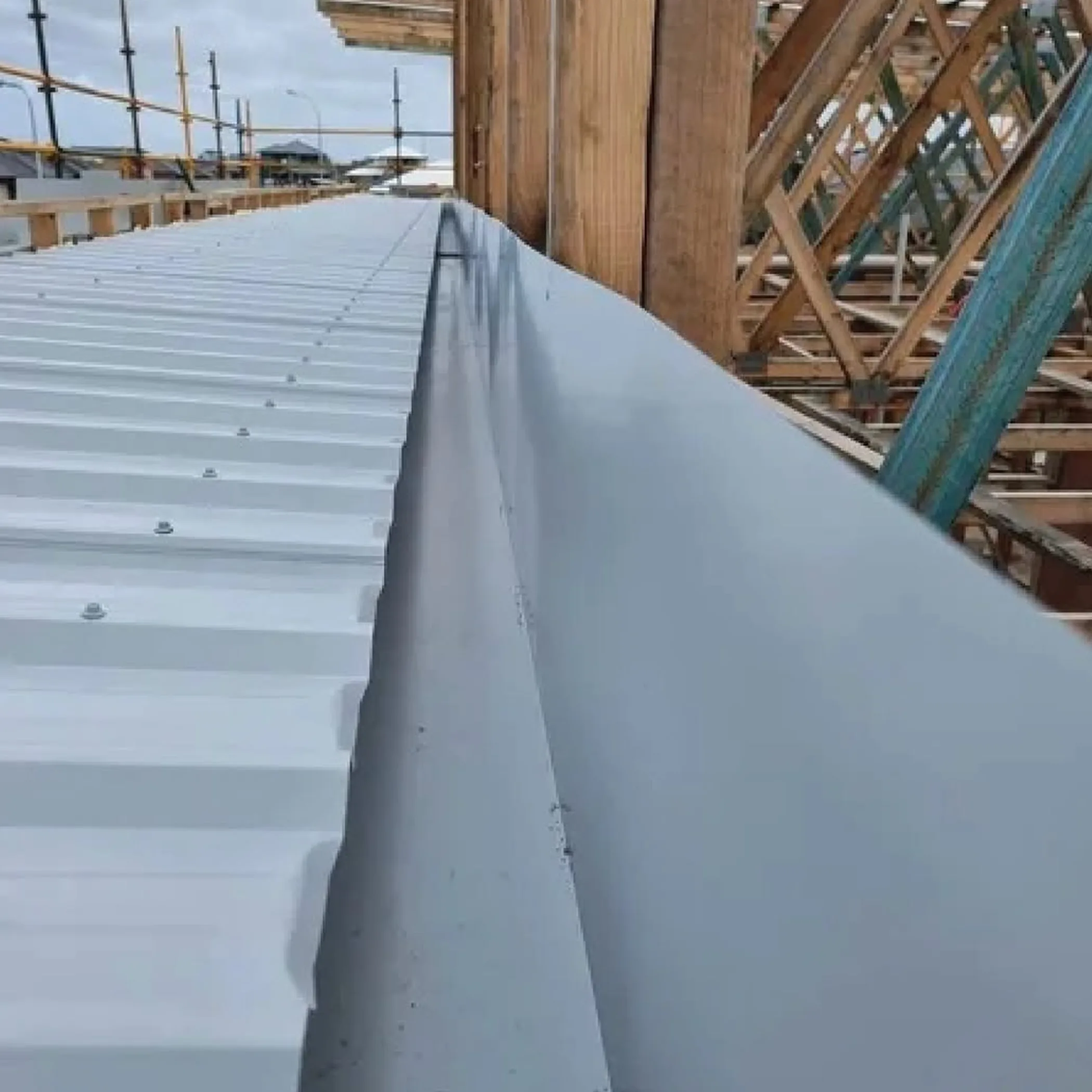
In short, he or she is the one who will install, restore and replace the roof covering for the protection of the building. In the course of their work one will find them dealing with sarking, vents and the like for weatherproofing as well as metal roofing sheets, ridge caps, roof battens and tiles of concrete or terracotta.
It is not uncommon for a roofer to put his finger on the cause of storm damage, loose sheets, damaged fasteners, or cracked and slipped tiles; he may also spot deteriorated bedding and pointing. Roof restoration is another order of business for some, entailing the application of protective coatings, repointing, cleaning and the replacement of what has been damaged.
Roofing Materials And Repairs
The manner in which tile and metal roofing fail is not the same. One can expect tiles to be porous, to slip or crack. With metal sheets there is the possibility of corrosion or rust at the fasteners, or they may lift and leak if penetrations were not put in properly. A specialist in roof repair will have an appreciation for the material at hand; after all, roofing is no one-size-fits-all circus and the same fix should not be applied across the board.
Then there is roof replacement, a more substantial undertaking that calls for the removal and disposal of old coverings, putting in new ones along with flashings and ventilation, and working with other trades. Should the roofer see that the structure has gone to pieces, a builder or structural expert will be put forward.
Choosing The Right Trade
To decide between a roof plumber and a roofer, look at the symptom and from there determine which component is to blame. Water in the vicinity of a downpipe, valley or gutter penetration is the province of the roof plumber. Widespread damage to the covering, a loose ridge cap or broken tiles are for the roofer.
There is no harm in having the first contractor you speak to define where the job ends. An honest trade specialist will make it clear when someone else ought to be called in. It is better than the Australian way of slapping on more silicone until one is done with it, and in the end it will be cheaper.
Use This Hiring Checklist
- Make note of the circumstances under which the problem occurs, be it a hard shower or wind-driven rain.
- Put together some photographs of the ground around the roof, the covering, the downpipe and any stain on the ceiling, provided it is safe.
- Check that the contractor has the licence for the state or territory.
- You want a written scope of works that makes a distinction between materials, access equipment, waste removal and the repairs proper for the roof and plumbing.
- Have public liability insurance and warranty terms put in writing, as well as who is to get the necessary approvals and how payment is to be made.
For evidence do not go up on a wet roof. Between the moss and the pitch of the roof, a wet tile or sheet is treacherous and storm damage can leave things sharp or unstable. Keep the children and pets out of the work zone too; Milo, the kelpie we are fostering, has no time for an umbrella but would make short work of a pile of loose roofing sheets if given the chance.
Common Roof Plumber Jobs
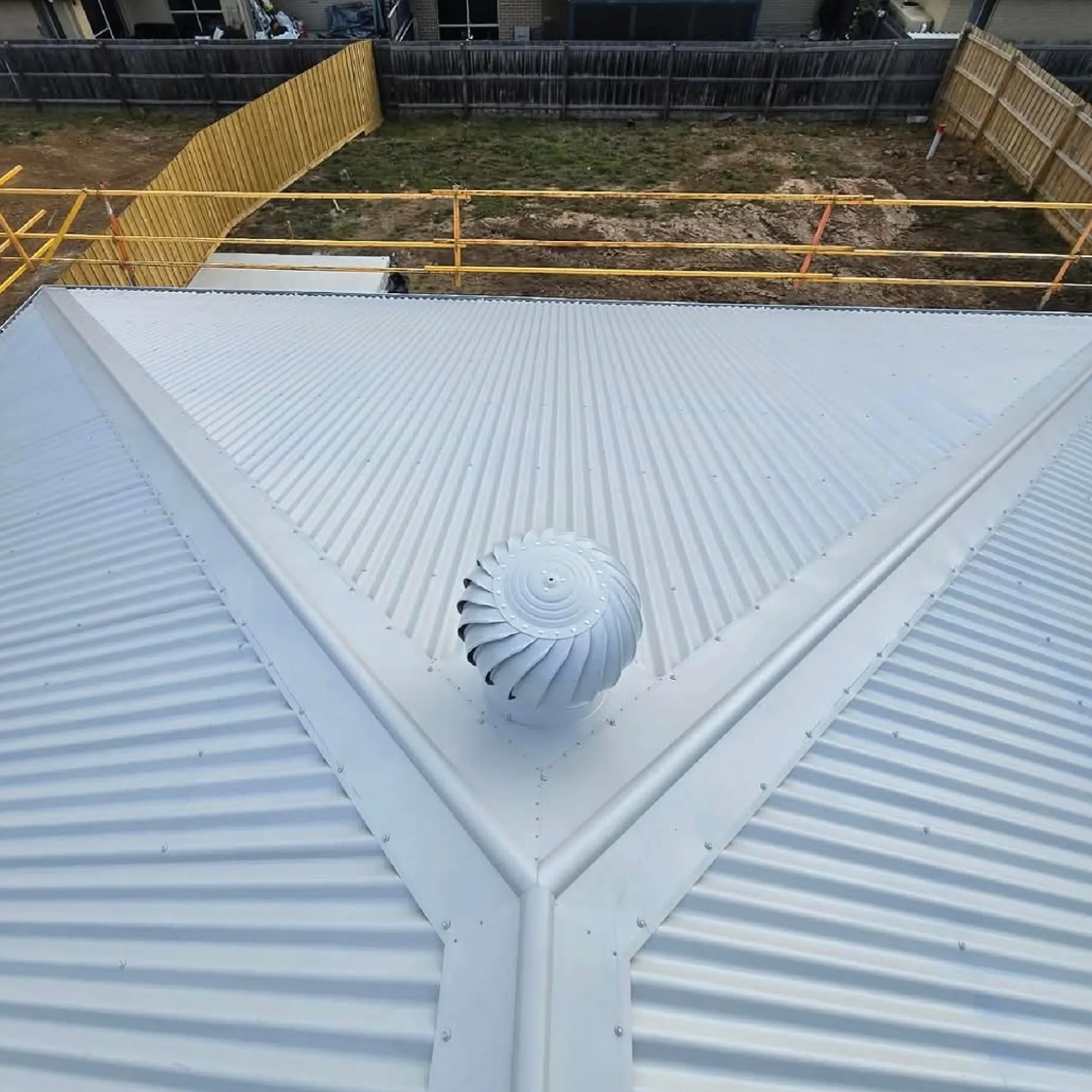
Across Australia a roof plumber will often attend to the building’s rainwater side. While the list of services is at the discretion of the contractor, a licensed roof plumber will typically:
- Put in or replace gutters and downpipes.
- Do repairs on box gutters, rainwater heads, flashings and valleys.
- Install the components for roof drainage and metal roofing.
- Make the connection from downpipes to a rainwater tank or an approved stormwater system.
- Look into leaks from an overflowing gutter, bad drainage or a roof penetration.
- Put in overflow measures and see to water discharge paths.
If one is looking to have gutters and downpipes installed in Australia, a roof plumber is the safest bet as the sizing, falls and stormwater connections are integral to the job. A roofer might do it as part of a bigger project, but do not take the title for granted, verify the experience and licence.
Common Roofer Services
Roofer services tend to be focused on the roof covering and its weatherproofing. They will inspect for storm damage, do a roof restoration, put in new metal sheets, repair the ridge caps or replace tiles and repoint as needed.
They can also be the ones to coordinate scaffolding, insulation and a roof replacement. But when the project involves plumbing, electrical or structural work, other licensed trades are required; it is neither legal nor safe for a single contractor to do everything because it is on the roof.
Can Both Trades Fix Leaks?
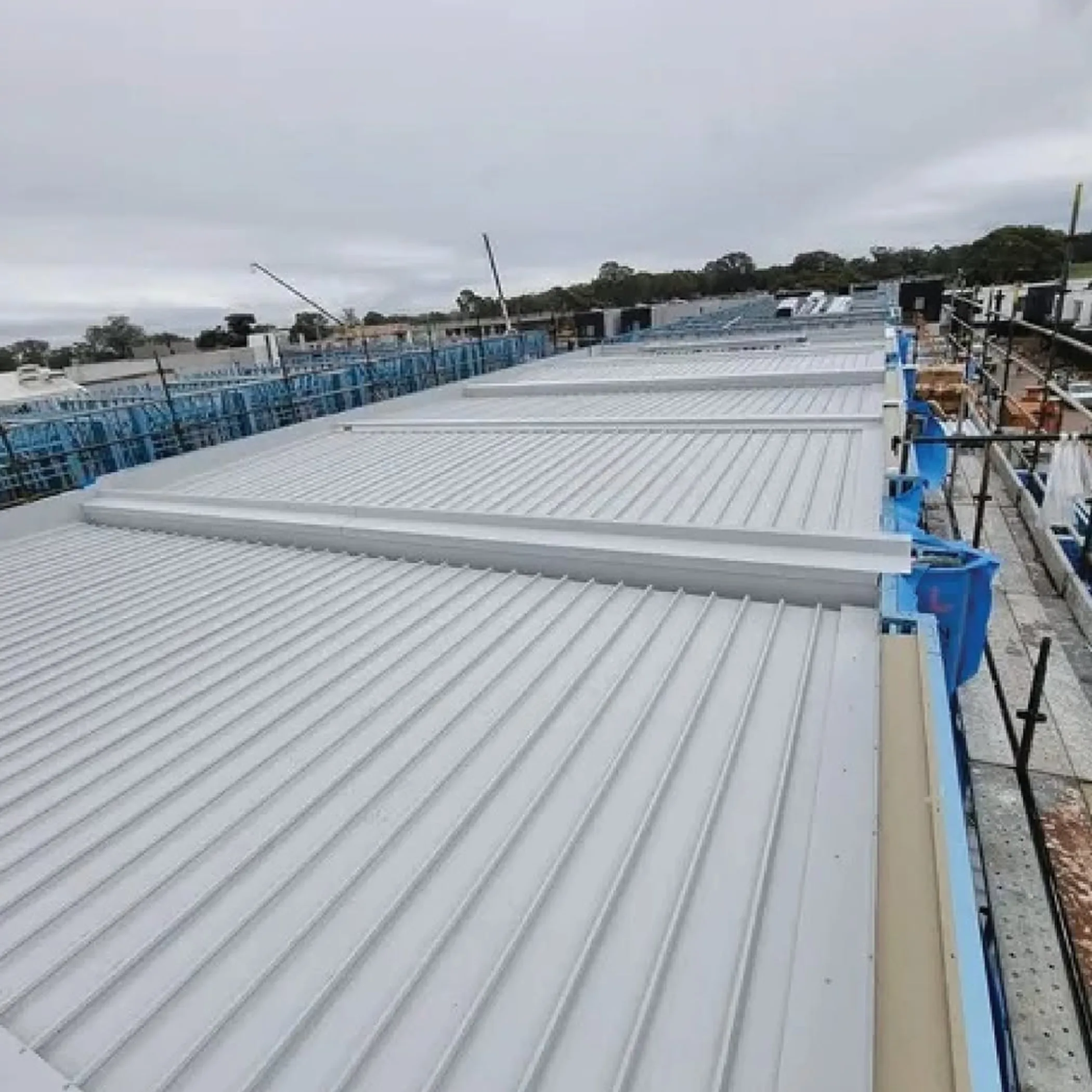
Both can, though not the same kind. The roofer will see to a failed ridge cap or a tile that has cracked. The roof plumber is there for a leaking valley, an overflow or a box gutter and the flashing around a penetration.
The source of the leak, not where the stain is on the ceiling, dictates who does the fixing. If the source is not apparent, have the contractor do a diagnostic and explain where the water is getting in before a quote is put forward. A tarp will stave off further damage in the wake of a storm but it is hardly a permanent solution for waterproofing.
What Catches Homeowners Out
It is a common supposition that any leak in the roof is a job for a roofer. Yet one is often surprised to discover the water has come in via the drainage or flashing, not the roof covering proper. Then there are occasions when a roof plumber puts his finger on a drainage issue but has to put in a call to a roofer for some cracked tiles or what has become of the bedding.
Then you have the matter of timing. In the wake of a big storm it can be days or weeks before a good contractor is free, and the weather may preclude safe access. Should you see the ceiling bulging or water coming in fast with electricity in the vicinity, put the power off if you can do so safely and get hold of an emergency service or a professional.
Costs, Timing And Site Access
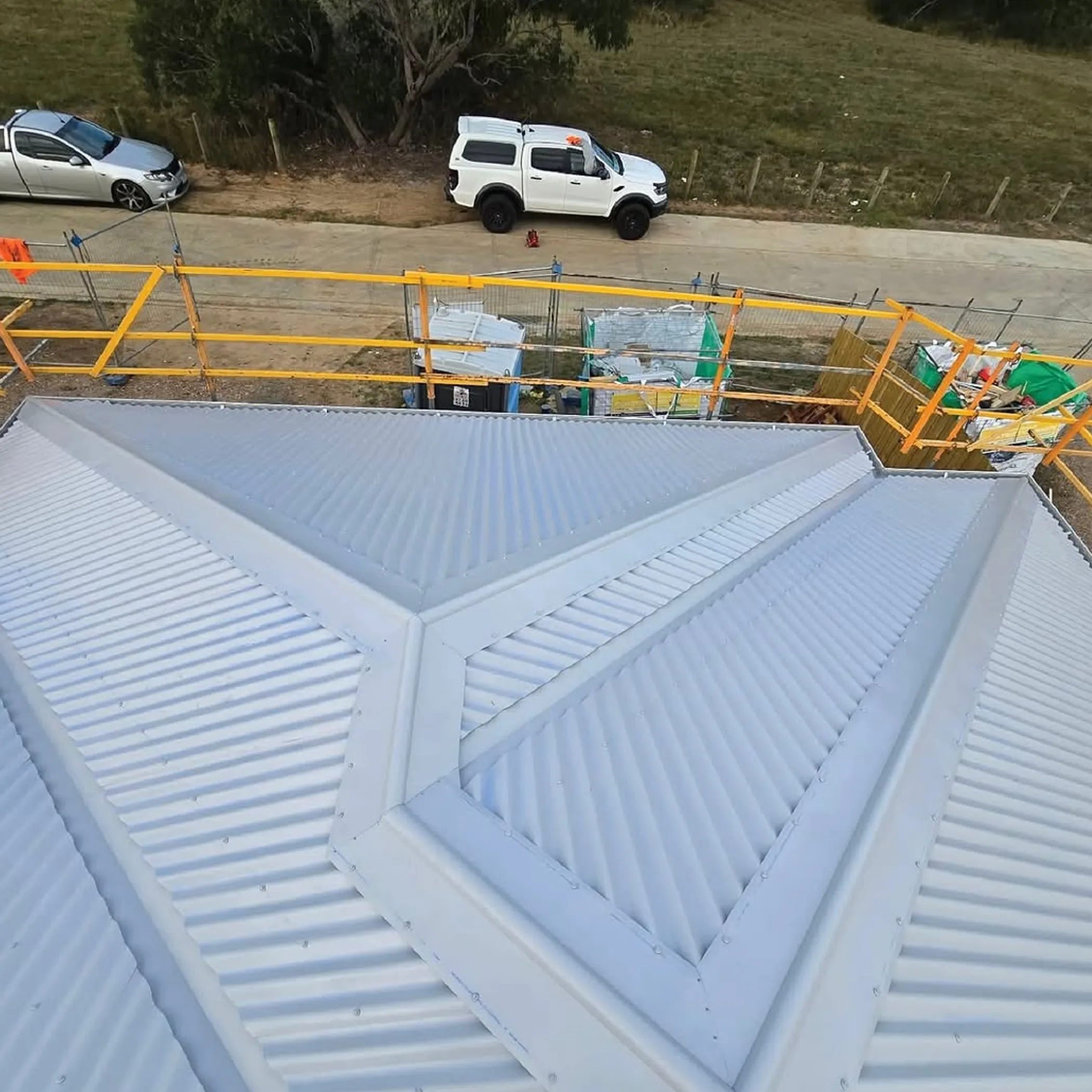
In Australia the price of roof plumbing will differ according to where you are, the height of the roof, how easy it is to get at, what materials are called for and the degree of investigation. A box gutter or a reworking of the stormwater on a multi-storey building is a considerable undertaking; a simple repair is not. Do not take a phone estimate at face value, get it in writing.
Make allowances for scaffolding, wet conditions, fragile tiles and narrow side access. A contractor might have to put a vehicle on the street, bring materials through a side passage or put in place an elevated work platform. See to it the driveway is unobstructed on the day and be sure of any strata or council rules.
Expectation Versus Reality
You would like to think a leak can be put right in a single visit. More likely the first trip is spent on tracing the water, lifting some tiles and having a look at the gutters and flashing to see if the source is shared with the roof next door.
And while a patch is a handy stopgap, do not expect it to stand up for years. Deteriorated material or a blockage in the drainage calls for a more thorough job. The quote that looks cheapest can end up costing more once the leak is back after the next wet season.
Licences And Compliance
Get the licence number from the contractor and verify it with the state or territory authority. Make sure the work he is quoting for is covered by it. Roofing and drainage may have different trade or building requirements depending on the project’s value and location.
The Australian Building Codes Board has the National Construction Code which is an authoritative way to get your bearings on what is required of a building. It will not replace a licensed professional’s opinion or local approvals, but it makes plain why the details of weatherproofing and construction are important.
Find out if approval is needed and how the stormwater is to be discharged and whether the contractor will put compliance documentation in order. Jurisdictions vary, so current guidance from the state or territory should be taken as final.
When To Call In A Specialist
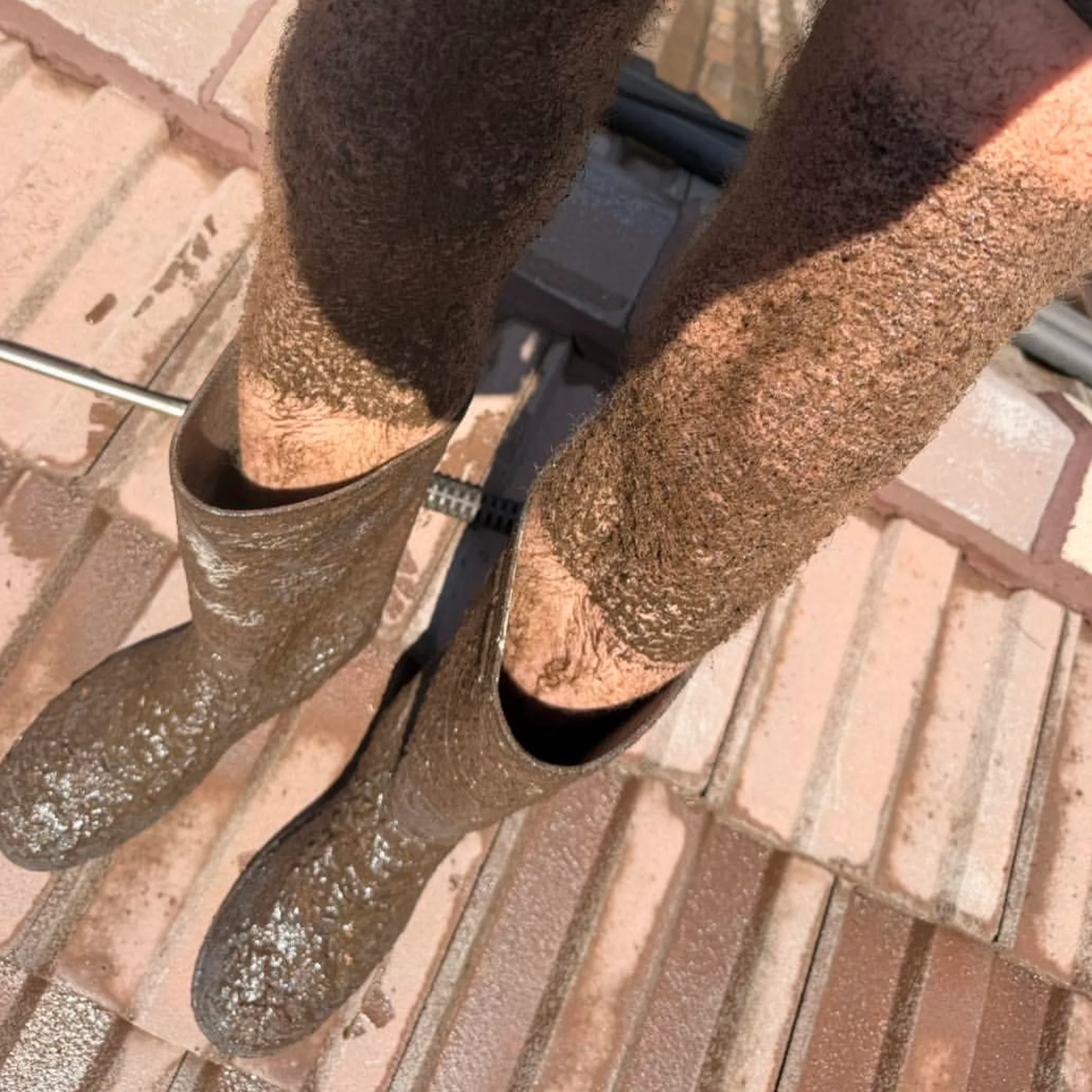
If the gutters are clear yet still run over, or downpipes are no match for heavy rain, or you notice pooling around the building and corrosion on the rainwater heads, then you have a problem of capacity or fall that is beyond a routine clean. Get in touch with an expert in roof drainage.
Any time you are adding a storey, putting in solar panels or changing a metal roof, specialist advice is prudent. You are altering the flow paths and the volume of water at each outlet. The job has to be done with an eye to the roof geometry, local rainfall and what is already in place for stormwater.
A One-Day Guide
One day to make a decision? Photograph the damage, keep anything water-sensitive dry and if it is safe to do so, remove leaves from the grates at ground level and set about getting an inspection. Put active leaks and electrical hazards first, along with sagging ceilings and water making for the foundations.
After a long dry spell and a minor tile problem a roofer is the one to ring. When the gutters are running over in a storm, a roof plumber is the answer. For a complete replacement of the roof, a roofing contractor can walk you through the compliance, access and drainage aspects.
Some Questions
What is the distinction between the two trades?
A roofer is concerned with the covering: the tiles, metal sheets, ridge caps, pointing and bedding. A roof plumber is there to collect and channel the rainwater via the valleys, flashings, downpipes and stormwater systems.
Will a roof plumber attend to a leak?
He will if it is a matter of the drainage, flashing, penetrations or the like. But a loose ridge cap or a crack in the tile is better left to a roofer.
Roofer or plumber?
For drainage faults, box gutters and the rest, a licensed roof plumber. For restoration or broken tiles, a roofer. If you are in any doubt, book an inspection and have a written diagnosis.
Who does the gutters and downpipes?
As a rule a roof plumber since it is all about water capacity and discharge. A roofer may do it in the course of a larger project but check on the experience and licence of the contractor.
What is the cost?
You will not find a price that applies across Australia. It is a question of the location, urgency, roof height and access, and whether there is hidden damage or a need for a stormwater connection. Have a written quote that lays out the warranty, labour, materials and waste removal in separate line items.
Getting It Right
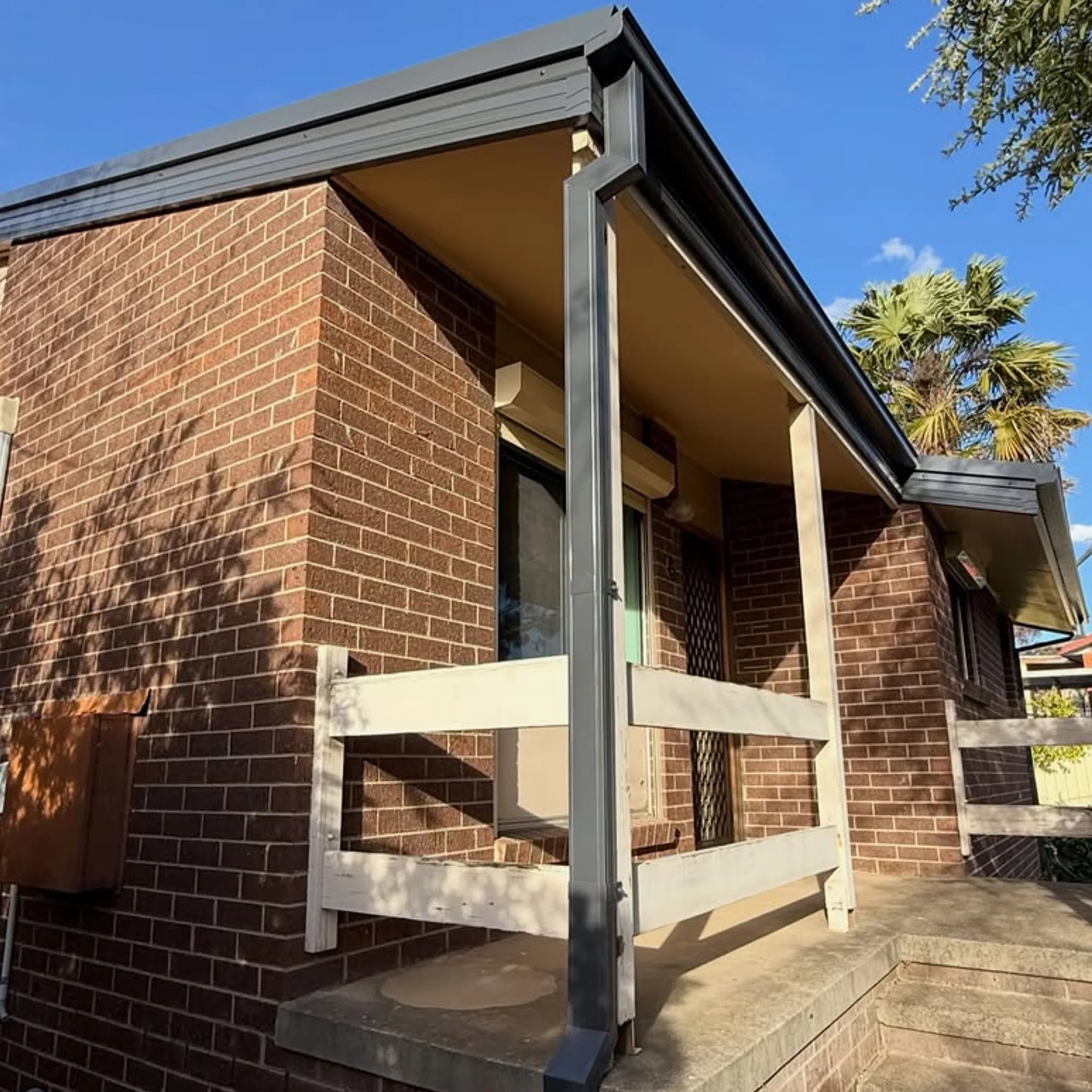
Follow the water and the choice between a roofer and a roof plumber is made for you. Is the trouble with the collection or control of rainwater? Start with a licensed roof plumber. With the roof covering, start with a roofer.
Put some questions to him, check the licence and want a scope of work that is unambiguous. A bit of forethought now is worth it to avoid extensive ceiling repairs down the track. Nor does anyone relish the prospect of the next downpour turning into some kind of low-budget indoor plumbing opera with buckets to be moved about.